
Pricing and Markets
September 21, 2026
Container Rates Skyrocket
Asia-US container rates soar past $11,000, near pandemic records
Carriers add East Coast capacity
· Friday, September 18, 2026
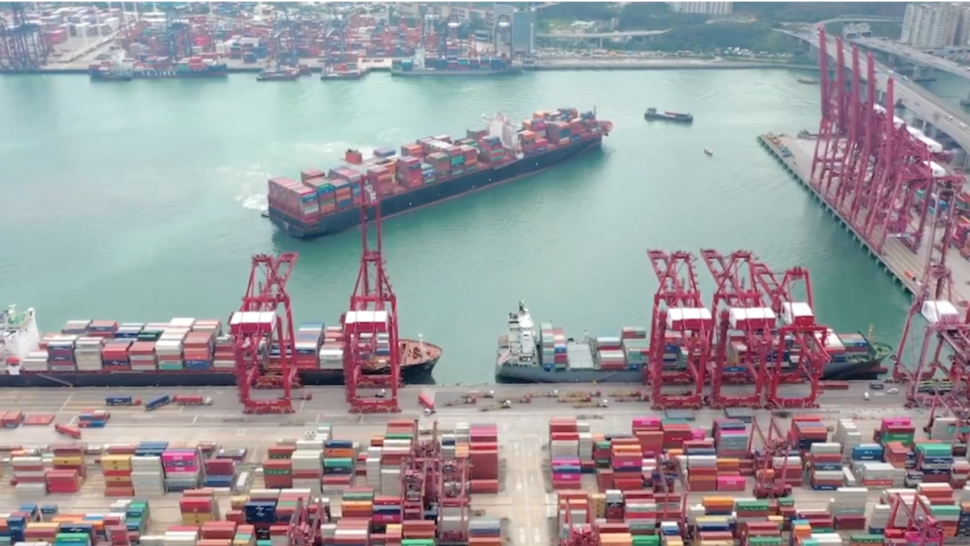
Ocean carriers are capitalizing on an extraordinary spike in container freight rates from Asia to the United States, with spot prices now within roughly 18% of their pandemic-era highs on the West Coast and 11% on the East Coast, according to Xeneta data.
Rates from the Far East to the U.S. West Coast reached $7,960 per forty foot equivalent unit as of Sept. 17, while Far East-U.S. East Coast prices climbed to $11,259 per FEU. Both trades have more than quadrupled since late February, before the Hormuz crisis disrupted global shipping markets.
East Coast trade closest to record
The Far East-U.S. East Coast trade appears the likelier candidate to set a new all-time rate record, Xeneta Chief Analyst Peter Sand said.
The current East Coast spot rate is just 11.2% below its record of $12,683 per FEU, established Jan. 1, 2022, amid the supply-chain disruption of the Covid-19 era. The Far East-U.S. West Coast rate remains 17.9% below its $9,699-per-FEU peak, set Feb. 1, 2022.
“Spot rates from Far East to U.S. West Coast and U.S. East Coast are up 324% and 325% respectively since pre-Hormuz crisis at the end of February,” Sand said. “That leaves freight rates on these critical trades just 18% and 11% short of the all-time high set during the Covid-19 disruption.”
Rising bunker costs could further increase carrier fuel surcharges and push rates higher, he said, making a breach of pandemic records possible.
“If a freight rate record is broken, it is most likely to occur on the trade into U.S. East Coast,” Sand said. “But even if we do not see a new all-time high, the fact we are even discussing the possibility demonstrates how sensitive critical ocean container shipping trades are to geopolitical forces and how a regional conflict in the Middle East can have major implications at a global level.”
Capacity increases ahead of potential turn
Carriers are adding space from the Far East to the U.S. East Coast as demand and pricing remain strong, according to Xeneta. Offered capacity on that route in September is 6% to 7% above August levels.
Sand said carriers are moving to take advantage of the current pricing environment before market conditions potentially begin to change within the next two to three weeks.
“Carriers are seizing the opportunity while the market is hot,” he said. “Adding capacity into U.S. East Coast ahead of what could be a turn in the market” may help carriers capture elevated revenue while rates remain near historical highs.
That capacity response could eventually restrain the rapid escalation in spot pricing, particularly after the seasonal rush connected with China’s Golden Week holiday period.
Another rate push expected before Golden Week
Xeneta expects a further attempt by carriers to lift spot rates in early October as shippers accelerate exports from Asia before factory shutdowns and reduced production during Golden Week.
“We should expect one more freight rate push at the start of October as shippers rush cargo out of Asia ahead of the Golden Week shutdown,” Sand said. “Before rates start to soften, or at least the pace of growth will slow.”
The expected post-Golden Week slowdown would not necessarily mean rates fall immediately. Rather, it could mark an end to the sharp upward trajectory that has characterized the market since late February.
Europe trades also rise sharply
The disruption has extended beyond US import trades, although the magnitude of increases has varied considerably by route.
| Trade lane | Sept. 17 spot rate | Change since Feb. 28 |
| Far East-US West Coast | $7,960 per FEU | 323.6% |
| Far East-US East Coast | $11,259 per FEU | 324.7% |
| Far East-North Europe | $4,103 per FEU | 84.9% |
| Far East-Mediterranean | $4,434 per FEU | 33.2% |
| North Europe-US East Coast | $2,956 per FEU | 100.1% |
(Chart: Xeneta)
The Far East-North Europe trade rose nearly 85% from pre-crisis levels to $4,103 per FEU, while the Far East-Mediterranean route increased 33.2% to $4,434 per FEU. North Europe-U.S. East Coast spot rates more than doubled, reaching $2,956 per FEU.
The gap between U.S. and European price escalation shows that price pressure is concentrated on Asia-U.S. container trades, particularly services moving through or affected by the Middle East disruption and the changing economics of vessel deployment, fuel costs and available capacity.
September 17, 2026
Price Hikes in Europe
€300/ton! Wanhua’s Hungarian plant initiates price hikes for European MDI and TDI
2026-09-17 14:26:17Source:ChemNet中文

On September 16, Wanhua Chemical’s overseas subsidiary Hungary’s BorsodChem officially released a price adjustment notice. Affected by the recent fluctuations in raw material prices and the continuous rise in energy costs in the European region, the company decided to unifyly increase the prices of all MDI, TDI and polyol products in the European market, with an increase of 300 euros per ton.
This price adjustment will take effect immediately. New orders will directly implement the new price, and existing orders will be fulfilled in accordance with the original contract terms. BorsodChem stated that this price adjustment aims to hedge against the continuously rising comprehensive production costs. The company will continue to ensure stable supply of goods in the European region, maintain high-standard customer service capabilities, and fully guarantee the normal production and operation of downstream manufacturing industries.
As the core polyurethane raw material production base in Europe, BorsodChem’s full-range price adjustment this time marks the official launch of a new round of price increases for polyurethane raw materials in Europe, which will directly transmit costs to local downstream industrial chains such as insulation, furniture, automobiles and building materials.
Overseas giants frequently adjust prices, and the global market is facing linked price hikes
Since September, the global polyurethane industry chain has entered a concentrated price increase cycle. International chemical leaders such as BASF, Huntsman and Wanhua have successively released price adjustment announcements, covering mainstream markets such as Europe, Southeast Asia, South Asia, the Middle East and other regions.
In early September, BASF took the lead in increasing the prices of MDI and TDI in Southeast Asia and South Asia markets by 250 US dollars per ton, and the price adjustment took effect immediately, which was mainly supported by raw material costs, logistics fees and tight regional supply and demand. On September 14, Wanhua Chemical followed up to adjust the sales prices in Southeast Asia and South Asia, raising the prices of MDI and TDI by 300 US dollars per ton, and polyether polyol by 400 US dollars per ton.
Meanwhile, Huntsman announced that starting from October 1, it will increase the prices of all MDI products in Europe, the Middle East, Africa and India by 285 euros per ton, further consolidating the upward trend of overseas market prices. Multiple enterprises have simultaneously released signals to support prices, and the overall global polyurethane raw material prices have entered an upward channel.
Domestic market also rises simultaneously, and raw material prices continue to stabilize and rise
Driven by overseas price hikes, combined with domestic plant maintenance and supply contraction, the domestic MDI, TDI and polyol markets have simultaneously warmed up, and prices have continued to rise.
Data shows that the spot price of domestic polymeric MDI has continued to rise since September. As of September 16, the mainstream market quotation has increased by more than 8% compared with the beginning of the month. The domestic TDI market remains high and firm, and local goods quotations have steadily climbed. Affected by the maintenance of major units such as Wanhua Yantai, the effective market supply has shrunk, the industry inventory is at a low level, and manufacturers have a strong willingness to support prices. In addition, foreign-funded enterprises such as Covestro have also raised the domestic TDI guidance prices simultaneously, further boosting the domestic market trend.
Polyol products have also followed the upward trend of the industrial chain. Driven by upstream raw material price increases and downstream rigid demand restocking, the domestic polyether polyol market has strengthened steadily, transaction prices have steadily increased, and market trading atmosphere has continued to improve.
Clear price increase logic, future market trend continues to improve
The collective price increase of polyurethane raw materials at home and abroad this round is driven by multiple favorable factors. On the one hand, the prices of international crude oil and basic chemical raw materials have fluctuated upward, and the bottom of the industrial chain costs has risen; on the other hand, European energy prices are running at a high level, the operation of multiple overseas units has been restricted, and the overall global supply is tight. At the same time, the traditional downstream peak season is coming, the terminal procurement demand has been steadily released, and the supply and demand pattern has continued to optimize.
Industry analysts said that the simultaneous price adjustments of global chemical leaders have significant regional linkage effects, and overseas price hikes will continue to be transmitted to the domestic market. In the short term, the prices of MDI, TDI and polyol raw materials will remain relatively strong, and the subsequent market trend will continue to dynamically adjust following the trend of crude oil, plant operating rate and changes in downstream terminal demand.
September 7, 2026
August Auto Sales
Deutsche Bank: August US Auto Sales Beat Forecasts, But Incentives Remain A Factor
by Tyler Durden
Friday, Sep 04, 2026 – 02:40 PM
U.S. auto sales came in stronger than expected in August, offering another sign that consumer demand for new vehicles remains relatively resilient despite elevated borrowing costs and broader questions about the economy.
According to Deutsche Bank’s auto team, led by Edison Yu, August sales ran at a seasonally adjusted annual rate of roughly 16.9 million vehicles. That was comfortably ahead of the bank’s 16.4 million estimate and also above the roughly 16.4 million pace recorded a year earlier.
The headline SAAR number was strong, although the underlying monthly figures were somewhat less impressive. Automakers sold approximately 1.388 million vehicles during August, slightly above July’s 1.380 million but below the roughly 1.482 million vehicles sold in August 2025.

Sales among both the Detroit Three and major Japanese automakers were modestly better than Deutsche Bank expected. But Hyundai Group was one of the biggest contributors to the upside surprise, beating the bank’s forecast by approximately 14,000 vehicles. Other brands accounted for the remainder of the beat.
The closely watched large pickup market was more mixed. Daily sales declined for most major truck models, but Ram was a notable exception. Ram sales increased by roughly 105 vehicles per day to around 1,550, with Deutsche Bank attributing much of that strength to aggressive incentive spending.
Higher sales are obviously positive for volumes, but when they are being generated through heavier discounts and incentives, the improvement doesn’t necessarily translate into equally strong profitability for manufacturers.
Inventory remains relatively controlled. Industry-wide inventories slipped to approximately 49 days of supply, compared with 50 days previously, although that remains above the 47-day level seen in 2025. Truck inventories declined by one day to 52 days of supply, while passenger-car inventories dropped by two days to just 34.

Taken together, the August numbers paint a reasonably healthy picture of the U.S. auto market. Sales are running better than expected, inventories aren’t showing signs of a major glut, and the annualized selling rate remains comfortably above 16 million vehicles.
Deutsche Bank isn’t extrapolating August’s 16.9 million pace into a dramatically stronger industry forecast, however. Yu and his team continue to expect a 16.0 million SAAR for full-year 2026, roughly consistent with forecasts from the major automakers themselves. For 2027, Deutsche Bank is forecasting only a modest improvement to 16.1 million.
In other words, August was a good month, but Deutsche Bank isn’t calling it the beginning of an auto boom. The more interesting question from here may be how much manufacturers have to spend on incentives to keep sales around these levels…particularly if consumers remain squeezed by high vehicle prices and financing costs.
August 30, 2026
Chemical Grade Propylene 45cpp in August
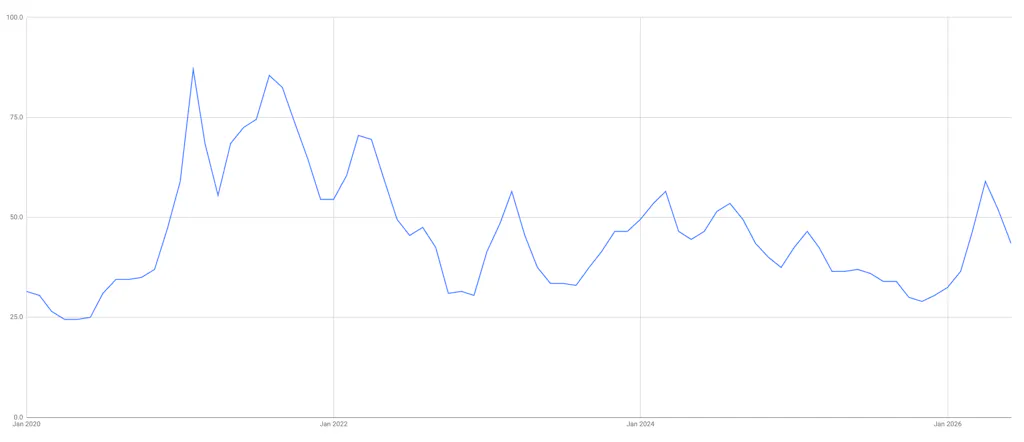
Chemical Grade Propylene is $0.45/lb in August 2026. Down 1.5cpp from July, which was up 3cpp from June.
July 9, 2026
MDI Update
US MDI Prices Rise 1.54% in Late June Amid Tight Supply
William Faulkner09-Jul-2026

The U.S. Methylene Diphenyl Diisocyanate (MDI) market moved higher throughout June, supported by supply disruptions, maintenance shutdowns, and resilient downstream demand. MDI prices strengthened as maintenance at Huntsman’s Geismar facility, Covestro’s force majeure, and BASF’s planned turnaround reduced domestic availability and tightened spot supplies, while limited imports further supported the MDI market. In the week ending June 28, the MDI DEL Texas grade recorded a 1.54% increase, reflecting persistent supply tightness and healthy buying interest. Demand for MDI remained healthy across insulation, spray-foam, rigid polyurethane foam, coatings, and automotive applications, with buyers actively replenishing inventories ahead of anticipated supply constraints. Improved automotive and electronics production also contributed to steady MDI consumption, although weaker activity in parts of the chemicals, plastics, and rubber sectors moderated overall demand growth. Firm aniline prices and occasional strength in benzene increased production costs, enabling producers to maintain higher offers for MDI. Looking ahead, ongoing maintenance, restricted supply, resilient construction activity, and steady polyurethane demand are expected to keep the MDI market firm, although improved production rates or easing feedstock costs could moderate future price increases.
The MDI market in the United States recorded a strong upward trend throughout June, supported by supply disruptions, firm downstream consumption, and improving buyer confidence. MDI prices strengthened steadily during the month as maintenance outages tightened product availability and encouraged buyers to secure material in advance. By the final week of June, the MDI DEL Texas grade recorded a 1.54% increase in the week ending June 28, reflecting continued supply constraints, healthy purchasing activity across major downstream sectors, and sustained bullish market sentiment.
Demand for MDI remained broadly supportive despite mixed industrial performance. The construction sector continued to drive consumption, with insulation and spray-foam manufacturers actively replenishing inventories ahead of anticipated shortages. Strong buying from rigid polyurethane foam producers also supported MDI demand. Meanwhile, automotive manufacturing improved during the month, boosting polyurethane applications used in vehicle interiors and components. Production of electrical equipment and electronics also expanded, providing additional support for MDI consumption in coatings and insulation materials. However, softer activity across parts of the plastics, chemicals, and rubber industries prevented demand from accelerating more aggressively, keeping overall purchasing balanced.
Supply conditions remained the primary factor influencing MDI pricing. Several planned and unplanned production disruptions significantly reduced spot market availability during June. Maintenance work at Huntsman’s Geismar facility, the force majeure declared by Covestro following an upstream production issue, and BASF’s scheduled maintenance preparations collectively tightened domestic supply. At the same time, limited import arrivals prevented buyers from offsetting reduced domestic availability, resulting in a tighter MDI market. Producers maintained firm pricing strategies as inventories remained constrained and buyers continued restocking activity.
Feedstock costs also contributed to the bullish sentiment. Firm aniline prices during mid-June, along with occasional strength in benzene values, increased production costs and supported higher offers for MDI. Rising raw material expenses reinforced supplier confidence, while steady downstream demand enabled producers to successfully implement price increases across the market.
Weekly pricing reflected a consistent upward trajectory rather than short-term volatility. After relatively stable conditions in early June, MDI prices advanced sharply during the middle of the month as supply disruptions became more evident. In the week ending June 28, the MDI DEL Texas grade increased by 1.54%, highlighting the continued impact of tight spot availability, producer pricing discipline, and sustained buyer restocking. The weekly gain confirmed that market fundamentals remained supportive, with buyers continuing to build inventories to protect against further supply shortages and maintain procurement flexibility.
Looking ahead, the near-term outlook for MDI remains positive. Ongoing maintenance activities, limited spot availability, constrained imports, and resilient demand from insulation, construction, automotive, and polyurethane manufacturers are expected to keep the market firm. While any decline in feedstock costs or improved production rates could moderate future gains, current fundamentals indicate that MDI prices are likely to remain supported in the coming weeks.
 Everchem Updates Archive
  Sign Up for Email Updates
