
Company News
August 4, 2022
Wanhua Results
Wanhua Chemical posts 23% decrease on H1 profit

MOSCOW (MRC) — China’s Wanhua Chemical said on Friday that its net profit in the first half of 2022 dropped by over 23% amid rising feedstock and energy costs, said the company.
Revenue increased by 31.7% on surging prices and sales. Feedstocks costs rose steeply. In the first six months, average prices of benzene and coal increased by 30% and 52% year on year, respectively. Contract prices of propane and butane were 47% and 54% higher than the same period in previous year.
Polyurethane (PU) sector saw rebounding operating rates and high inventories. Supply and demand were basically balanced, but demand growth slowed down amid rising costs, manufacturing slump and high inflation.
Petrochemicals faced squeezed margins. Prices of oil and gas rallied fast and were highly volatile, major overseas economies suffered from inflation pressure, while domestic downstream consumptions of petrochemicals were curbed or delayed by sporadic outbreaks of COVID-19.
We remind, Wanhua Chemical posted a 49.56% decrease in net profits in the first half of 2021, as sales and prices both took a hit from the coronavirus pandemic. Slump in oil prices also dampened demand and prices of its products.
Prices of pure methylene diphenyl diisocyanate (MDI), its major product, decreased to CNY15,800-CNY18,700 in the first half year from CNY23,700-CNY27,200 in the same period of 2019. Prices of petrochemical products the company makes also recorded a double-digit drop.
https://www.mrchub.com/news/403310-wanhua-chemical-posts-23-percent-decrease-on-h1-profit
August 4, 2022
Wanhua Results
Wanhua Chemical posts 23% decrease on H1 profit
MOSCOW (MRC) — China’s Wanhua Chemical said on Friday that its net profit in the first half of 2022 dropped by over 23% amid rising feedstock and energy costs, said the company.
Revenue increased by 31.7% on surging prices and sales. Feedstocks costs rose steeply. In the first six months, average prices of benzene and coal increased by 30% and 52% year on year, respectively. Contract prices of propane and butane were 47% and 54% higher than the same period in previous year.
Polyurethane (PU) sector saw rebounding operating rates and high inventories. Supply and demand were basically balanced, but demand growth slowed down amid rising costs, manufacturing slump and high inflation.
Petrochemicals faced squeezed margins. Prices of oil and gas rallied fast and were highly volatile, major overseas economies suffered from inflation pressure, while domestic downstream consumptions of petrochemicals were curbed or delayed by sporadic outbreaks of COVID-19.
We remind, Wanhua Chemical posted a 49.56% decrease in net profits in the first half of 2021, as sales and prices both took a hit from the coronavirus pandemic. Slump in oil prices also dampened demand and prices of its products.
Prices of pure methylene diphenyl diisocyanate (MDI), its major product, decreased to CNY15,800-CNY18,700 in the first half year from CNY23,700-CNY27,200 in the same period of 2019. Prices of petrochemical products the company makes also recorded a double-digit drop.
https://www.mrchub.com/news/403310-wanhua-chemical-posts-23-percent-decrease-on-h1-profit
August 4, 2022
Aearo Bankruptcy Plans
3M Unit Goes Bankrupt in Bid to Resolve Lawsuits Over Military Earplugs
- 3M pledges $1 billion for veterans claiming hearing damage
- Bankruptcy strategy to be challenged by victim lawyers
By
Steven Church and
Jeremy HillJuly 26, 2022 at 11:06 AM EDTUpdated onJuly 26, 2022 at 1:03 PM EDT
Share this article
Follow the authors+ Get alerts for+ Get alerts for
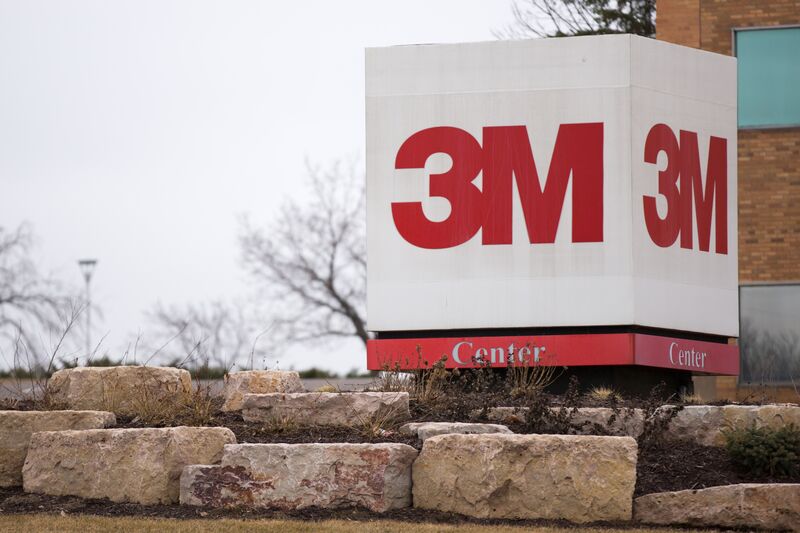
3M Co. put its Aearo Technologies unit into bankruptcy in a bid to resolve more than 230,000 lawsuits brought mainly by US military veterans over allegedly faulty combat earplugs.
The conglomerate has already spent nearly $350 million defending the sprawling litigation, according to court papers. Putting the unit into bankruptcy is the fastest and most equitable way to resolve the claims, 3M said.
The case is the latest in a string of so-called mass tort bankruptcies, in which profitable companies use insolvency proceedings to settle onerous legal liabilities. Lawsuits against a bankrupt company are paused as soon as a Chapter 11 petition is filed and the claims are moved in front of a bankruptcy judge.
3M plans to funnel $1 billion to a trust that would pay people suing over the earplugs and has set aside $240 million to fund the bankruptcy itself. The strategy is similar to those proposed by other lawsuit-addled companies like Johnson & Johnson and Purdue Pharma LP. 3M itself is not in bankruptcy.
The Chapter 11 filing will “reorganize a business with healthy operations that has become saddled with unsustainable tort liabilities,” John R. Castellano, chief restructuring officer of Aearo, said in a sworn declaration. Outside of bankruptcy, the lawsuits “could go on for decades, continue to consume millions of dollars in defense costs annually, and continue to result in highly disparate outcomes for plaintiffs,” he said.
The company is likely to face pressure to pay more than $1 billion, analysts said.
“The $1 billion that is being seeded by 3M to cover claims should be viewed as a first installment,” Nigel Coe, senior research analyst with Wolfe Research, said in a note. “We maintain that $10 billion is more realistic.”
J&J’s Victory Over Cancer Victims Clears Path for 3M, Others
Victims will fight the bankruptcy filing, attorneys for one of the leading law firms representing veterans said in a statement.
“3M’s bankruptcy maneuver is further proof that they value their profits and stock price more than the well-being of veterans,” lawyer Bryan Aylstock said in the emailed statement. “Instead of negotiating in good faith, 3M decided to move its relentless attack on US soldiers from the civil courts to the bankruptcy system.”
Those suing 3M and Aearo — primarily military veterans — claim they suffered hearing injuries after using noise reduction earplugs designed for and sold to the US military. Aearo began selling the earplugs in “significant quantities” in the early 2000s and continued selling them until 2015, Castellano said.
So far, only a handful of the 3M earplug cases have been tried, according to court documents. A jury in one case said the company should pay $77.5 million. The company has lost 13 of the 19 cases that went to trial, with juries awarding more than $300 million in damages, according to Aylstock, the victims lawyer.
Such bankruptcy cases can take years to complete, in part because setting up a victim’s trust typically takes a vote of 3/4ths of creditors. Getting that much support typically takes negotiations including top victim lawyers, insurance companies that have to help pay claims and the company.
Should 3m’s proposal win enough victim support and approval from a bankruptcy judge, all current and future claims would be paid by the company-funded trust.
3M purchased Aearo in 2008. The company has more than 300 employees and generated $108 million in direct sales last year, according to court papers. It is based in Indiana.
The bankruptcy is Aearo Technologies LLC, 22-02890, United States Bankruptcy Court for the Southern District of Indiana (Indianapolis).
— With assistance by Ryan Beene
August 4, 2022
Aearo Bankruptcy Plans
3M Unit Goes Bankrupt in Bid to Resolve Lawsuits Over Military Earplugs
- 3M pledges $1 billion for veterans claiming hearing damage
- Bankruptcy strategy to be challenged by victim lawyers
By
Steven Church and
Jeremy HillJuly 26, 2022 at 11:06 AM EDTUpdated onJuly 26, 2022 at 1:03 PM EDT
Share this article
Follow the authors+ Get alerts for+ Get alerts for
3M Co. put its Aearo Technologies unit into bankruptcy in a bid to resolve more than 230,000 lawsuits brought mainly by US military veterans over allegedly faulty combat earplugs.
The conglomerate has already spent nearly $350 million defending the sprawling litigation, according to court papers. Putting the unit into bankruptcy is the fastest and most equitable way to resolve the claims, 3M said.
The case is the latest in a string of so-called mass tort bankruptcies, in which profitable companies use insolvency proceedings to settle onerous legal liabilities. Lawsuits against a bankrupt company are paused as soon as a Chapter 11 petition is filed and the claims are moved in front of a bankruptcy judge.
3M plans to funnel $1 billion to a trust that would pay people suing over the earplugs and has set aside $240 million to fund the bankruptcy itself. The strategy is similar to those proposed by other lawsuit-addled companies like Johnson & Johnson and Purdue Pharma LP. 3M itself is not in bankruptcy.
The Chapter 11 filing will “reorganize a business with healthy operations that has become saddled with unsustainable tort liabilities,” John R. Castellano, chief restructuring officer of Aearo, said in a sworn declaration. Outside of bankruptcy, the lawsuits “could go on for decades, continue to consume millions of dollars in defense costs annually, and continue to result in highly disparate outcomes for plaintiffs,” he said.
The company is likely to face pressure to pay more than $1 billion, analysts said.
“The $1 billion that is being seeded by 3M to cover claims should be viewed as a first installment,” Nigel Coe, senior research analyst with Wolfe Research, said in a note. “We maintain that $10 billion is more realistic.”
J&J’s Victory Over Cancer Victims Clears Path for 3M, Others
Victims will fight the bankruptcy filing, attorneys for one of the leading law firms representing veterans said in a statement.
“3M’s bankruptcy maneuver is further proof that they value their profits and stock price more than the well-being of veterans,” lawyer Bryan Aylstock said in the emailed statement. “Instead of negotiating in good faith, 3M decided to move its relentless attack on US soldiers from the civil courts to the bankruptcy system.”
Those suing 3M and Aearo — primarily military veterans — claim they suffered hearing injuries after using noise reduction earplugs designed for and sold to the US military. Aearo began selling the earplugs in “significant quantities” in the early 2000s and continued selling them until 2015, Castellano said.
So far, only a handful of the 3M earplug cases have been tried, according to court documents. A jury in one case said the company should pay $77.5 million. The company has lost 13 of the 19 cases that went to trial, with juries awarding more than $300 million in damages, according to Aylstock, the victims lawyer.
Such bankruptcy cases can take years to complete, in part because setting up a victim’s trust typically takes a vote of 3/4ths of creditors. Getting that much support typically takes negotiations including top victim lawyers, insurance companies that have to help pay claims and the company.
Should 3m’s proposal win enough victim support and approval from a bankruptcy judge, all current and future claims would be paid by the company-funded trust.
3M purchased Aearo in 2008. The company has more than 300 employees and generated $108 million in direct sales last year, according to court papers. It is based in Indiana.
The bankruptcy is Aearo Technologies LLC, 22-02890, United States Bankruptcy Court for the Southern District of Indiana (Indianapolis).
— With assistance by Ryan Beene
August 4, 2022
Epoxy Comments from Westlake Q2 Discussion
WESTLAKE CORP Management’s Discussion and Analysis of Financial Condition and Results of Operations (form 10-Q)
08/03/2022 | 02:37pm EDT
Overview
We are a vertically integrated global manufacturer and marketer of performance
and essential materials and housing and infrastructure products. We operate in
two principal operating segments, Performance and Essential Materials and
Housing and Infrastructure Products. The Performance and Essential Materials
segment includes Westlake North American Vinyls, Westlake North American
Chlor-alkali & Derivatives, Westlake European & Asian Chlorovinyls, Westlake
Olefins, Westlake Polyethylene and Westlake Epoxy. The Housing and
Infrastructure Products segment includes Westlake Royal Building Products,
Westlake Pipe & Fittings, Westlake Global Compounds and Westlake Dimex. Prior to
our segment reorganization in the fourth quarter of 2021, we operated in two
principal operating segments, Vinyls and Olefins. The change has been
retrospectively reflected in the periods presented in this Form 10-Q. We are
highly integrated along our materials chain with significant downstream
integration from ethylene and chlor-alkali (chlorine and caustic soda) into
vinyls, polyethylene, epoxy and styrene monomer. We also have substantial
downstream integration from polyvinyl chloride ("PVC") into our building
products, PVC pipes and fittings and PVC compounds in our Housing and
Infrastructure Products segment.
Performance and Essentials Materials
Ethane-based ethylene producers have experienced a cost advantage over
naphtha-based ethylene producers during periods of higher crude oil prices. This
cost advantage has resulted in a strong export market for polyethylene and other
ethylene derivatives and has benefited operating margins and cash flows for our
Performance and Essential Materials segment during such periods. In the past
year, we have seen significant volatility in natural gas, ethane and ethylene
prices, primarily due to changes in demand, the timing for certain new ethylene
capacity additions, the availability of natural gas liquids, and the ongoing
conflict between Russia and Ukraine.

Our performance and essential materials such as ethylene, PVC, polyethylene,
epoxy and chlor-alkali are some of the most widely used materials in the world
and are upgraded into a variety of higher value-added products used in many
end-markets. Our performance and essential materials are used by customers in
food and specialty packaging; industrial and consumer packaging; medical health
applications; PVC pipe applications; consumer durables; mobility and
transportation; renewable wind energy; and housing and construction products.
Chlor-alkali and petrochemicals are typically manufactured in large volume by a
number of different producers using widely available technologies. The
chlor-alkali and petrochemical industries exhibit cyclical commodity
characteristics, and margins are influenced by changes in the balance between
supply and demand and the resulting operating rates, the level of general
economic activity and the price of raw materials. Due to the significant size of
new plants, capacity additions are built in large increments and typically
require several years of demand growth to be absorbed. The cycle is generally
characterized by periods of tight supply, leading to high operating rates and
margins, followed by a decline in operating rates and margins primarily as a
result of excess new capacity additions.

Westlake is the second-largest chlor-alkali producer and the second-largest PVC
producer in the world, which makes Westlake a global leading chlorovinyls
producer. Demand for our products in the first half of 2020 was negatively
impacted by the onset of the COVID-19 pandemic. Global demand for most of our
products started strengthening in the second half of 2020 and has remained
strong through the second quarter of 2022. We expect global demand for most of
our products to remain favorable throughout 2022.
                                       25
——————————————————————————–
Table of Contents
On February 1, 2022, we completed the acquisition of Westlake Epoxy for a
purchase consideration of $1,207 million. The assets acquired and liabilities
assumed and the results of operations of the Westlake Epoxy business are
included in the Performance and Essential Materials segment. This acquisition
represents a significant strategic expansion of Westlake's Performance and
Essential Materials businesses into additional high-growth, innovative and
sustainability-oriented applications - such as wind turbine blades and
light-weight automotive structural components. Because epoxies are produced from
chlorine and caustic soda, the transaction also provides vertical integration
with Westlake's global chlor-alkali businesses. With the acquisition of the
Westlake Epoxy business Westlake is now one of the leading producers of epoxy
specialty resins, modifiers and curing agents in Europe and the United States
with a global reach to our end markets. Epoxy resins are the fundamental
component of many types of materials and are often used in the automotive,
construction, wind energy, aerospace and electronics industries due to their
superior adhesion, strength and durability. Our position in basic epoxy resins,
along with our technology and service expertise, has enabled us to offer
formulated specialty products in certain markets. In composites, our specialty
epoxy products are used either as replacements for traditional materials such as
metal, wood and ceramics, or in applications where traditional materials do not
meet demanding engineering specifications. We are also one of the leading
producers of resins that are used in fiber reinforced composites. Composites are
a fast growing class of materials that are used in a wide variety of
applications ranging from aircraft components and wind turbine blades to sports
equipment, and increasingly in automotive and transportation. We supply epoxy
resin systems to composite fabricators in the wind energy, automotive and pipe
markets. Epoxy specialty resins are also used for a variety of high-end coating
applications that require the superior adhesion, corrosion resistance and
durability of epoxy, such as protective coatings for industrial flooring, pipe,
marine and construction applications and automotive coatings. Epoxy-based
surface coatings are among the most widely-used industrial coatings due to their
long service life and broad application functionality combined with overall
economic efficiency. We also leverage our resin and additives position to supply
custom resins to specialty coatings formulators. The raw materials that we
primarily use to manufacture our epoxy products are chlorine and caustic soda,
among others and are available from more than one source including internal
sourcing and the open market. Prices for our main feedstocks are generally
driven by the underlying petrochemical benchmark prices and energy costs, which
are subject to price fluctuations.

Depending on the performance of the global economy, the timing of resolution of
the conflict between Russia and Ukraine, disruption in the global supply chain,
labor shortages and costs, potential resurgence of the COVID-19 pandemic, the
trend of crude oil prices, new capacity additions in North America, Asia and the
Middle East in 2022 and beyond, the sustainability of the current, strong demand
for most of our products, inflationary pressures and concerns over slower future
economic growth, including the possibility of recession or financial market
instability, our financial condition, results of operations or cash flows could
be negatively or positively impacted.

We purchase significant amounts of ethane feedstock, natural gas, ethylene and
salt from external suppliers for use in production of performance and essential
materials. We also purchase significant amounts of electricity to supply the
energy required in our production processes. While we have agreements providing
for the supply of ethane feedstock, natural gas, ethylene, salt and electricity,
the contractual prices for these raw materials and energy vary with market
conditions and may be highly volatile. Factors that have caused volatility in
our raw material prices in the past, and which may do so in the future include:
•the availability of feedstock from shale gas and oil drilling;
•supply and demand for crude oil and natural gas;
•shortages of raw materials due to increasing demand;
•ethane and liquefied natural gas exports;
•capacity constraints due to higher construction costs for investments, construction delays, strike action or involuntary shutdowns;
•the general level of business and economic activity; and
•the direct or indirect effect of governmental regulation.
Significant volatility in raw material costs tends to put pressure on product
margins as sales price increases could lag behind raw material cost increases.
Conversely, when raw material costs decrease, customers may seek immediate
relief in the form of lower sales prices. We currently use derivative
instruments to reduce price volatility risk on feedstock commodities and lower
overall costs. Normally, there is a pricing relationship between a commodity
that we process and the feedstock from which it is derived. When this pricing
relationship deviates from historical norms, we have from time to time entered
into derivative instruments and physical positions in an attempt to take
advantage of this relationship.

Acquisition of Hexion Epoxy Business


On November 24, 2021, the Company, through a wholly-owned subsidiary, entered
into a Stock Purchase Agreement (the "Hexion Epoxy Purchase Agreement") by and
among Hexion Inc. ("Hexion"), a New Jersey corporation, and solely for the
limited purposes set forth therein, the Company. Pursuant to the terms of the
Hexion Epoxy Purchase Agreement, the Company agreed to acquire all of the equity
interests in Hexion's global epoxy business ("Westlake Epoxy"). On February 1,
2022, the Company completed the acquisition of, and acquired all of the equity
interests in, the Westlake Epoxy business for a purchase consideration of $1,207
million. The assets acquired and liabilities assumed and the results of
operations of the Westlake Epoxy business are included in the Performance and
Essential Materials segment.

Performance and Essential Materials Segment


Net Sales. Net sales for the Performance and Essential Materials segment
increased by $958 million, or 45%, to $3,104 million in the second quarter of
2022 from $2,146 million in the second quarter of 2021. Average sales prices for
the Performance and Essential Materials segment increased by 27% in the second
quarter of 2022 as compared to the second quarter of 2021. The higher
Performance Materials sales prices were due to higher PVC resin sales prices.
The higher Essential Materials sales prices were primarily driven by the higher
prices for caustic soda, chlorine, styrene and derivative products. Sales
volumes for the Performance and Essential Materials segment increased by 18% in
the second quarter of 2022 as compared to the second quarter of 2021, primarily
resulting from the acquisition of Westlake Epoxy in the first quarter of 2022.

Income from Operations. Income from operations for the Performance and Essential
Materials segment increased by $294 million to $965 million in the second
quarter of 2022 from $671 million in the second quarter of 2021. This increase
in income from operations was due to higher sales prices for PVC resin, caustic
soda and styrene and higher margins for polyethylene, mainly resulting from
strong demand for our products. Income from operations was also higher due to
the acquisition of Westlake Epoxy in the first quarter of 2022. The increase in
income from operations versus the prior-year period was partially offset by
higher global fuel and power costs, higher feedstock costs and lower sales
volumes for PVC resin.


https://www.marketscreener.com/quote/stock/WESTLAKE-CORPORATION-14877/news/WESTLAKE-CORP-Management-s-Discussion-and-Analysis-of-Financial-Condition-and-Results-of-Operations-41186706/
 Everchem Updates Archive
 Sign Up for Email Updates