
Company News

January 28, 2020

Casper IPO Update

Casper Sleep IPO slipping over fact it doesn’t make its own mattresses

Casper Sleep is facing uncomfortable questions as it prepares to go public — including the fact that it doesn’t make its own mattresses.

The six-year-old startup slashed its expected valuation to less than $750 million on Monday — well short of the $1.1 billion valuation it got in a private funding round last spring — as it looks to raise up to $158.6 million in an initial public offering.

Sources said the money-losing company’s IPO is slated to price Feb. 5. A roadshow is slated to kick off Tuesday in Boston, with plans to take it to New York Wednesday and Thursday. But events could get awkward as the company faces increasing scrutiny over its business model, according to insiders close to the process.

Casper — whose clever cartoon ads have long been ubiquitous on New York subways — has billed itself the “Nike of sleep.” But unlike Nike, which for years has tightly controlled its manufacturing costs, Casper is beholden to a small coterie of powerful US manufacturers.

When Casper was founded in 2014, it hired Atlanta-based manufacturer Elite Foam to crank out the foam mattresses it designed. Casper later added a Boston-based manufacturer to accelerate growth.

Last year in January, Elite got sold for $1.25 billion to Leggett & Platt, a Missouri-based bed-parts behemoth with $4.65 billion in revenue. Leggett also makes bed parts for several Casper competitors, including bed-in-a-box mattresses for Leesa, a privately owned mattress startup, and Serta Simmons’ Tuft & Needle, according to sources.

Leggett also makes springs for Sealy, Serta and Simmons — all of which are far bigger clients, a mattress industry source noted.

“It’s kind of funny that is their chief supplier,” the source said of Casper’s reliance on Leggett. “It would increase the risk for me that their supplier has divided loyalties.”

There are other manufacturers that make foam: Carpenter, Future Foam and Innocor Foam Technologies. Still, the relatively small pool is a sign that Casper may struggle to cut its manufacturing costs in the future, sources said.

In its IPO prospectus, Casper said it is pursuing a strategy to vertically integrate, meaning that it would control its manufacturing, but that it may not be successful.

That could be bad news for Casper, as the other key area for cost-cutting would be marketing — an area that becomes doubly difficult as the mattress space becomes increasingly crowded with deep-pocketed competitors like Walmart, Amazon and Ikea.

Casper lost $67 million during the first nine months of last year on $312 million in revenue, and was on track to lose more for the full year than in 2018, according to Casper’s public filing.

“The most successful specialty retailers have proprietary product or can create a voice by bringing together groups of products,” NYU Marketing Professor Scott Galloway told The Post. “Casper has neither.”

“The notion this firm is trying to go public is evidence we are in a frothy market, due for rationalization.”

A Casper spokesperson didn’t deny that the company relies on Leggett, which isn’t mentioned in its IPO prospectus. The company noted that it holds numerous design patents that couple layers of latex with foam, making its beds unique, no matter where they’re made.

“No one is getting a bed that is made of the same construction,” Casper CEO and co-founder Phil Krim told The Post in a 2015 interview. “Even if our manufacturers are making others’ beds, ours [that combine latex and foam] are different.”

Casper admits in its IPO prospectus, however, that “competitors have attempted and will likely continue to attempt to imitate our products and technology” — a risk that it “may not be able to prevent.”

Even if Casper keeps its designs proprietary, it’s doubtful whether it can build the kind of loyalty that’s enjoyed in other niches like clothing and electronics, says Craig Fruchtman of New York-based mattress retailer Craig’s Beds.

“They built their own brand, but people aren’t brand loyal in mattresses,” Fruchtman said. “I don’t get customers coming in saying ‘I’m a Sealy guy, my grandmother was a Sealy guy.’ ”

Additional reporting by Lisa Fickenscher and Thornton McEnery

https://nypost.com/2020/01/27/casper-sleep-ipo-slipping-over-fact-it-doesnt-make-its-own-mattresses/

January 28, 2020

Casper IPO Update

Casper Sleep IPO slipping over fact it doesn’t make its own mattresses

Casper Sleep is facing uncomfortable questions as it prepares to go public — including the fact that it doesn’t make its own mattresses.

The six-year-old startup slashed its expected valuation to less than $750 million on Monday — well short of the $1.1 billion valuation it got in a private funding round last spring — as it looks to raise up to $158.6 million in an initial public offering.

Sources said the money-losing company’s IPO is slated to price Feb. 5. A roadshow is slated to kick off Tuesday in Boston, with plans to take it to New York Wednesday and Thursday. But events could get awkward as the company faces increasing scrutiny over its business model, according to insiders close to the process.

Casper — whose clever cartoon ads have long been ubiquitous on New York subways — has billed itself the “Nike of sleep.” But unlike Nike, which for years has tightly controlled its manufacturing costs, Casper is beholden to a small coterie of powerful US manufacturers.

When Casper was founded in 2014, it hired Atlanta-based manufacturer Elite Foam to crank out the foam mattresses it designed. Casper later added a Boston-based manufacturer to accelerate growth.

Last year in January, Elite got sold for $1.25 billion to Leggett & Platt, a Missouri-based bed-parts behemoth with $4.65 billion in revenue. Leggett also makes bed parts for several Casper competitors, including bed-in-a-box mattresses for Leesa, a privately owned mattress startup, and Serta Simmons’ Tuft & Needle, according to sources.

Leggett also makes springs for Sealy, Serta and Simmons — all of which are far bigger clients, a mattress industry source noted.

“It’s kind of funny that is their chief supplier,” the source said of Casper’s reliance on Leggett. “It would increase the risk for me that their supplier has divided loyalties.”

There are other manufacturers that make foam: Carpenter, Future Foam and Innocor Foam Technologies. Still, the relatively small pool is a sign that Casper may struggle to cut its manufacturing costs in the future, sources said.

In its IPO prospectus, Casper said it is pursuing a strategy to vertically integrate, meaning that it would control its manufacturing, but that it may not be successful.

That could be bad news for Casper, as the other key area for cost-cutting would be marketing — an area that becomes doubly difficult as the mattress space becomes increasingly crowded with deep-pocketed competitors like Walmart, Amazon and Ikea.

Casper lost $67 million during the first nine months of last year on $312 million in revenue, and was on track to lose more for the full year than in 2018, according to Casper’s public filing.

“The most successful specialty retailers have proprietary product or can create a voice by bringing together groups of products,” NYU Marketing Professor Scott Galloway told The Post. “Casper has neither.”

“The notion this firm is trying to go public is evidence we are in a frothy market, due for rationalization.”

A Casper spokesperson didn’t deny that the company relies on Leggett, which isn’t mentioned in its IPO prospectus. The company noted that it holds numerous design patents that couple layers of latex with foam, making its beds unique, no matter where they’re made.

“No one is getting a bed that is made of the same construction,” Casper CEO and co-founder Phil Krim told The Post in a 2015 interview. “Even if our manufacturers are making others’ beds, ours [that combine latex and foam] are different.”

Casper admits in its IPO prospectus, however, that “competitors have attempted and will likely continue to attempt to imitate our products and technology” — a risk that it “may not be able to prevent.”

Even if Casper keeps its designs proprietary, it’s doubtful whether it can build the kind of loyalty that’s enjoyed in other niches like clothing and electronics, says Craig Fruchtman of New York-based mattress retailer Craig’s Beds.

“They built their own brand, but people aren’t brand loyal in mattresses,” Fruchtman said. “I don’t get customers coming in saying ‘I’m a Sealy guy, my grandmother was a Sealy guy.’ ”

Additional reporting by Lisa Fickenscher and Thornton McEnery

https://nypost.com/2020/01/27/casper-sleep-ipo-slipping-over-fact-it-doesnt-make-its-own-mattresses/

January 24, 2020

Tempur Sealy to Buy OEM Bedding Company

All of those bed in a box marketing companies have to get the mattresses from somewhere!


Tempur Sealy To Acquire Majority Stake In Sherwood Bedding

|PR Newswire|About: TPX
PR NewswireLEXINGTON, Ky., Jan. 24, 2020 /PRNewswire/ — Tempur Sealy International, Inc. (TPX) (NYSE: TPX, “Company” or “Tempur Sealy”) today announced that it has signed a definitive agreement to acquire a majority ownership interest in a newly formed limited liability company which will contain at closing substantially all of the assets of Sherwood Acquisition Holdings, LLC (“Sherwood Bedding”), a leading manufacturer in the U.S. private label/original equipment manufacturer (“OEM”) bedding market. Sherwood Bedding operates four manufacturing facilities and is a top 10 U.S. bedding producer. Tempur Sealy’s expected stake in Sherwood Bedding will mark the Company’s entrance into the private label category, creating a complete suite of product offerings ranging from Sherwood Bedding’s non-branded private label products to the Company’s well-known branded products, including Tempur-Pedic®, Sealy®, and Stearns & Foster®.

The Company expects to purchase an 80% stake in Sherwood Bedding for approximately $40 million. The transaction will be financed through a combination of cash on hand and a borrowing under its existing credit facilities. The Ellman Family, a third-generation bedding manufacturer, will maintain a 20% ownership interest in Sherwood Bedding. Sherwood Bedding will be operated as a standalone, independent business unit within the Company and will continue to be led by its current management team.  The transaction is expected to close within the first quarter of 2020.

Sherwood Bedding is a low-cost, high-value producer of private label and OEM products for third-party retailers and in the contract bedding market. Sherwood Bedding has estimated annual wholesale revenues of over $150 million and expects to fund its own future growth and be accretive to the Company’s earnings in 2020. The Company believes that over time cost synergies can be realized to benefit all brands and customers. No personnel reductions are expected.

Tempur Sealy International, Inc. Chairman and CEO Scott Thompson commented, “Over the past nine years Sherwood Bedding has grown to become one of the most respected bedding producers in the industry. Sherwood Bedding’s flexible and efficient operating model, focused primarily on value and high velocity price points, complements Tempur Sealy’s iconic brands, powerful distribution model, and supply chain. Together, we believe that we can build upon existing relationships to deliver more compelling products, branded and non-branded, than either business could on its own.”

Sherwood Bedding Co-President Neil Ellman commented, “With Tempur Sealy being the dominant player in the U.S. bedding industry, we believe we have the perfect partner to acquire market share in the private label sector. The complementary knowledge and market-fit of the companies as well as the ability to improve upon our low-cost structure delivers a unique opportunity and provides us with a sustainable competitive advantage.”

https://seekingalpha.com/pr/17759025-tempur-sealy-to-acquire-majority-stake-in-sherwood-bedding

January 24, 2020

Tempur Sealy to Buy OEM Bedding Company

All of those bed in a box marketing companies have to get the mattresses from somewhere!


Tempur Sealy To Acquire Majority Stake In Sherwood Bedding

|PR Newswire|About: TPX
PR NewswireLEXINGTON, Ky., Jan. 24, 2020 /PRNewswire/ — Tempur Sealy International, Inc. (TPX) (NYSE: TPX, “Company” or “Tempur Sealy”) today announced that it has signed a definitive agreement to acquire a majority ownership interest in a newly formed limited liability company which will contain at closing substantially all of the assets of Sherwood Acquisition Holdings, LLC (“Sherwood Bedding”), a leading manufacturer in the U.S. private label/original equipment manufacturer (“OEM”) bedding market. Sherwood Bedding operates four manufacturing facilities and is a top 10 U.S. bedding producer. Tempur Sealy’s expected stake in Sherwood Bedding will mark the Company’s entrance into the private label category, creating a complete suite of product offerings ranging from Sherwood Bedding’s non-branded private label products to the Company’s well-known branded products, including Tempur-Pedic®, Sealy®, and Stearns & Foster®.

The Company expects to purchase an 80% stake in Sherwood Bedding for approximately $40 million. The transaction will be financed through a combination of cash on hand and a borrowing under its existing credit facilities. The Ellman Family, a third-generation bedding manufacturer, will maintain a 20% ownership interest in Sherwood Bedding. Sherwood Bedding will be operated as a standalone, independent business unit within the Company and will continue to be led by its current management team.  The transaction is expected to close within the first quarter of 2020.

Sherwood Bedding is a low-cost, high-value producer of private label and OEM products for third-party retailers and in the contract bedding market. Sherwood Bedding has estimated annual wholesale revenues of over $150 million and expects to fund its own future growth and be accretive to the Company’s earnings in 2020. The Company believes that over time cost synergies can be realized to benefit all brands and customers. No personnel reductions are expected.

Tempur Sealy International, Inc. Chairman and CEO Scott Thompson commented, “Over the past nine years Sherwood Bedding has grown to become one of the most respected bedding producers in the industry. Sherwood Bedding’s flexible and efficient operating model, focused primarily on value and high velocity price points, complements Tempur Sealy’s iconic brands, powerful distribution model, and supply chain. Together, we believe that we can build upon existing relationships to deliver more compelling products, branded and non-branded, than either business could on its own.”

Sherwood Bedding Co-President Neil Ellman commented, “With Tempur Sealy being the dominant player in the U.S. bedding industry, we believe we have the perfect partner to acquire market share in the private label sector. The complementary knowledge and market-fit of the companies as well as the ability to improve upon our low-cost structure delivers a unique opportunity and provides us with a sustainable competitive advantage.”

https://seekingalpha.com/pr/17759025-tempur-sealy-to-acquire-majority-stake-in-sherwood-bedding

January 21, 2020

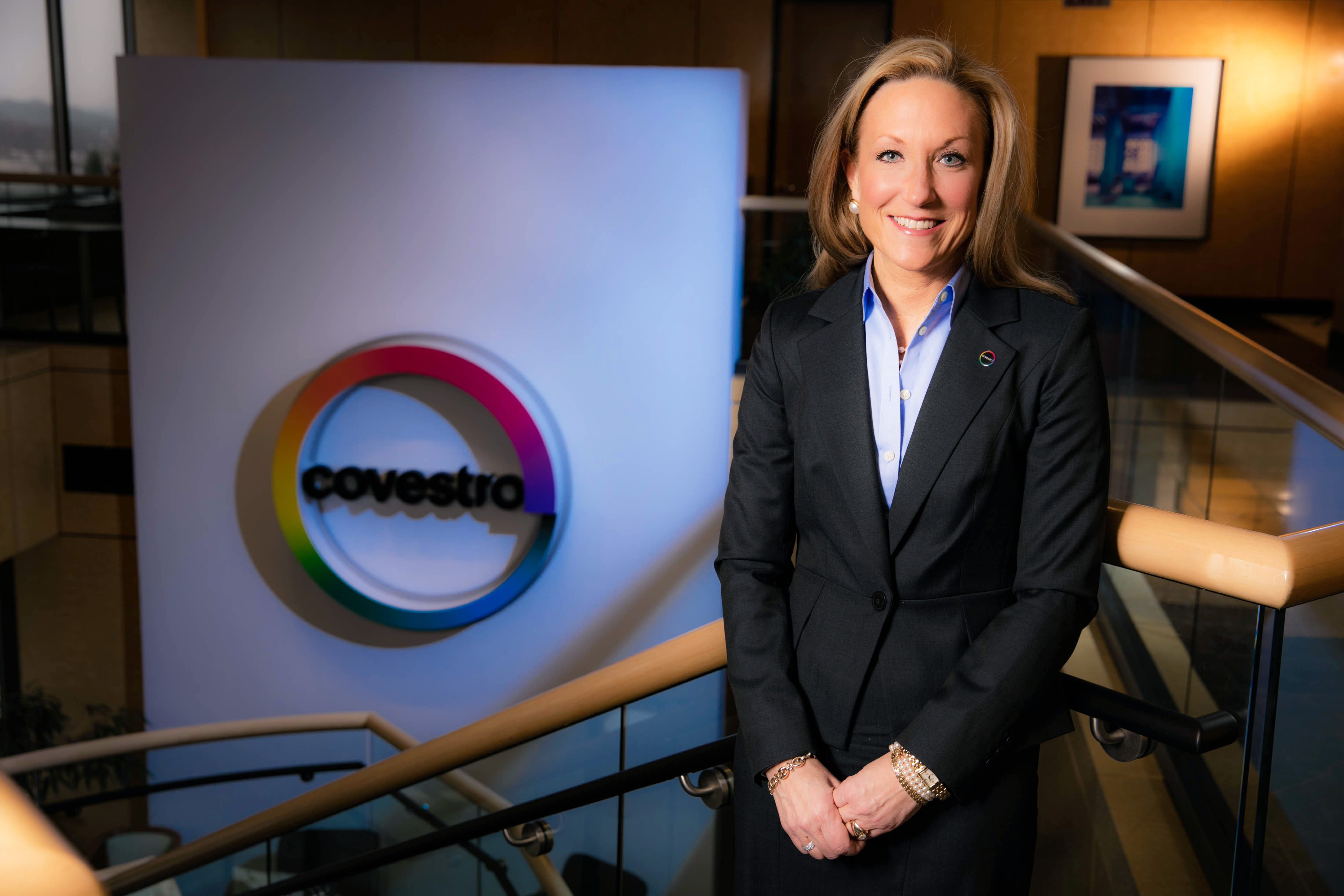
Covestro Pauses MDI Project

Covestro to pause MDI investment project in Baytown, Texas


To our valued customer:Due to challenging global market conditions, Covestro has decided to delay further work on the MDI plant expansion in Baytown, Texas. The investment project, known as MDI-500, will be paused for a period of 18 to 24 months. We recognize the significance of this announcement, which is why we wanted you to hear it directly from us.

Please be assured that this is a pause – not a cancellation. Covestro remains firmly committed to its customers and to the long-term growth potential of the MDI market. By leveraging our global supply network, we will continue to provide our customers with reliable MDI supply.Our long-term growth strategy has not changed. We remain committed to Baytown as the ideal location to further expand our MDI production capacities in North America. For that reason, we will be prepared to resume the project at the appropriate time.

In the meantime, please know that we truly value your business and are committed to meeting your needs through reliable supply, high-quality product and best-in-class support.

We welcome the opportunity to discuss this topic further with you and address any questions or concerns. You can expect to hear from us shortly.

Sincerely,Christine Bryant
SVP, Polyurethanes – North America
Covestro LLC