Company News
April 10, 2025
Wanhua Wins Bid for Vencorex
Vancorex Recovery: Chinese Wanhua Wins Bid, Lyon Court Rules
April 10, 2025

2025-04-10 10:18:00
The Future of Vancorex: Challenges and Opportunities Following the Chinese Acquisition
Table of Contents
- The Future of Vancorex: Challenges and Opportunities Following the Chinese Acquisition
- The Acquisition Details
- Community Reactions to the Decision
- The Economic Landscape and Its Challenges
- Broader Impacts of Foreign Ownership
- Future Scenarios: The Road Ahead
- Expert Opinions: Industry Insights
- The Emotional Narratives Behind Job Loss
- Conclusion: A Call for Engagement
- Did You Know?
- Frequently Asked Questions
- Vancorex Acquisition: An expert’s Take on Challenges and opportunities
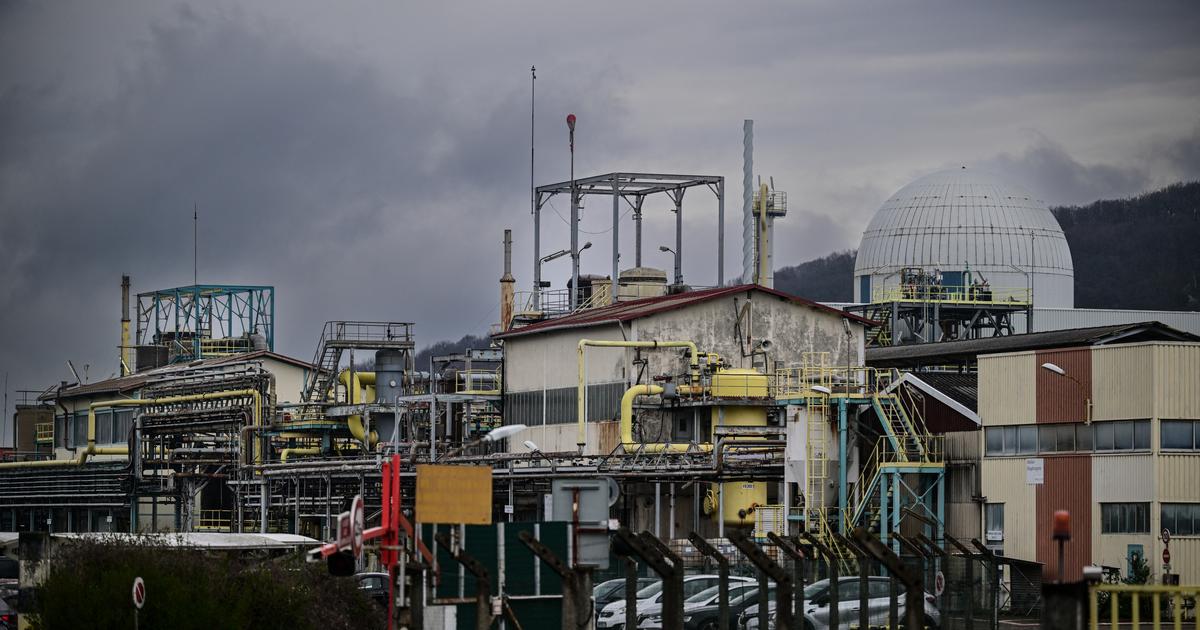
As the dust settles on the recent acquisition of Vancorex by the Chinese conglomerate Wanhua, significant questions loom about the future of the chemical factory near Grenoble. This change not only affects the economic landscape of the local community but also raises concerns and hopes among employees, government officials, and industry stakeholders alike. With around fifty out of the original four hundred and fifty jobs retained, the stakes couldn’t be higher for the surviving workforce and the broader regional economy.
The Acquisition Details
In a decision announced by the commercial court of Lyon, Wanhua’s Hungarian subsidiary, Borsodchem, has committed to maintain 54 jobs while paving the way for significant investment. The deal, valued at 1.2 million euros, also includes a pledge of 19 million euros to be injected into the facility by 2027. This dual commitment raises the question: is this truly a lifeline or merely a temporary fix?
Immediate Implications for Employees
For the employees who remain, the acquisition could signify stability in an otherwise tumultuous environment. Those who keep their positions at Vancorex can breathe a little easier, yet the emotional weight of the situation remains. Many have experienced job insecurity and concern for their future, which has been exacerbated by the awareness that nearly 90% of jobs may be cut. The psychological toll of workforce reductions lingers heavily in the air as the remaining employees adjust to a new corporate culture.
Community Reactions to the Decision
While some may celebrate the retention of roughly 54 jobs, the broader community’s reaction is more mixed. The Auvergne-Rhône-Alpes region and various local authorities have expressed disappointment that an industrial flagship will now operate under foreign ownership. Local officials have reached out with concerns that although job preservation is commendable, the commitment from Wanhua could and should have covered more ground. “While we are relieved that some employment opportunities remain, we hoped for a more extensive commitment,” stated a regional spokesperson.
Counteroffers and Local Initiatives
In a striking contrast to the acquisition, employees had attempted to propose a cooperative model, known as a Société Coopérative d’Intérêt Collectif (Scic), to safeguard local jobs and preserve the company’s legacy. Yet, the court deemed their offer inadmissible, citing insufficient cash flow and lack of concrete funding resources. This dismissal underscores the struggle for community-driven initiatives in a corporate setting, a sentiment echoed by the local labor union CGT.
The Economic Landscape and Its Challenges
Vancorex’s crisis exemplifies a wider trend affecting industrial jobs, particularly in the chemical sector. As globalization leads to closures or sales of major local industries, the economic vibrancy of regions like Isère hangs in the balance. Vancorex’s challenges are not isolated; factories in the United States have faced similar threats due to overseas competition and changing market demands.
The Role of Globalization and Automation
Globally, industries are rapidly evolving due to technological advancements like automation and artificial intelligence. The shift is impacting the labor landscape, not just locally but also internationally. Take, for instance, American factories faced with the dilemma of investing in new technology or maintaining the workforce. Economic reports have consistently highlighted how automation can lead to job displacement, a situation that Vancorex finds itself hinting at post-acquisition. Transitioning to automated systems may be in the cards for Vancorex as Wanhua revamps the factory’s operations.
Broader Impacts of Foreign Ownership
The implications of foreign ownership extend beyond immediate job retention. Local communities often grapple with feelings of disempowerment when critical industries fall under international control. The local workforce may find it challenging to align with new corporate goals, especially if they differ vastly from their previous understanding of job security and community-driven values.
Regulatory Considerations and Future Legislation
As the acquisition proceeds, regulatory frameworks will be put to the test. In both France and the U.S., there are laws intended to protect local employment and maintain competitive markets. Policymakers will be closely observing how Wanhua bases its operations in the region and may call for stricter regulations on foreign investments, particularly in sensitive sectors. This is analogous to recent discussions in the U.S. regarding the impact of foreign companies on American labor markets.
Future Scenarios: The Road Ahead
Looking ahead, Vancorex has several potential paths unfolding from this transition. A promising future may hinge on Wanhua’s commitment to invest and innovate. If the investment allocated by Wanhua leads to enhanced operations, higher efficiencies, and ultimately increased production, this could positively influence local employment scenarios.
Investments in Green Chemistry
Amid global concerns over climate change and sustainability, Wanhua has an opportunity to steer Vancorex towards greener operations. As consumer preferences shift to environmentally friendly products, investing in sustainable practices could not only enhance the factory’s reputation but also ensure its relevance in a competitive market. Such a transformation could attract local and international partnerships, offering an additional buffer against job losses.
Expert Opinions: Industry Insights
Industry experts have mixed feelings about this acquisition. Dr. Emily Anderson, a labor economist, notes, “The retention of jobs is a positive sign but doesn’t address the pressing need for systemic change to encourage resilience.” Meanwhile, Mark Thompson, a senior consultant in business strategies, elaborates, “Wanhua has the potential to revitalize Vancorex, but it will require truly understanding local markets to realize that potential.”
Lessons from Other Regions
This scenario draws parallels to the American Midwest, where factories have also been acquired by foreign entities. Cities like Detroit have grappled with similar upheavals, beginning in the 21st century as automakers restructured their operations. The key takeaway from these events is the importance of partnerships between local government, the workforce, and foreign entities to secure a brighter future.
The Emotional Narratives Behind Job Loss
While numbers and statistics paint a picture of the economic landscape, rarely do they capture the emotional realities faced by displaced workers. Families rely on factory jobs for their livelihoods, and as Vancorex moves into uncharted territory, local citizens grapple with fear, uncertainty, and an evolving sense of identity. This raises crucial questions: How do communities redefine themselves in the absence of long-standing employment? What alternative avenues for job security can emerge from such transitions?
Building Community Resilience
The path forward may rest not only in corporate commitments but also in fostering a resilient community. Local organizations, NGOs, and residents must work collectively to identify new opportunities—perhaps in sectors that haven’t yet been fully developed in the region, such as renewable energy or IT. Such community efforts could also galvanize support for local businesses, ensuring that economic shifts benefit the broader population.
Conclusion: A Call for Engagement
As Vancorex enters this new chapter under Wanhua’s ownership, the community, employees, and local government must engage in meaningful dialogue about the vision for the future. It is imperative that all stakeholders work collaboratively to establish frameworks that truly honor the local workforce while embracing the global marketplace.
Did You Know?
This acquisition highlights a growing trend of foreign entities acquiring traditional factories. While it might revitalize certain aspects, the cultural and emotional impacts on local communities can last much longer.
Frequently Asked Questions
What happens to the remaining jobs at Vancorex?
Currently, Wanhua is committed to maintaining 54 out of 450 jobs, but further developments regarding job security remain to be seen.
What alternatives were considered to save more jobs?
A cooperative model initiated by employees and local communities was deemed inadmissible by the court due to insufficient funding and other concerns.
How can local communities thrive after factory closures?
Communities should explore diversifying their economies, investing in new industries, and fostering partnerships with local governments and organizations to build resilience.
Vancorex Acquisition: An expert’s Take on Challenges and opportunities
Time.news sits down with Dr. Alistair Humphrey, a leading expert in industrial transitions and regional economics, to discuss the recent acquisition of vancorex by Chinese conglomerate Wanhua and its implications for the local community and beyond.
Time.news editor: Dr. Humphrey, thank you for joining us.The acquisition of Vancorex by Wanhua has certainly stirred up a lot of discussion. Could you give us your initial thoughts on this growth?
Dr. Alistair Humphrey: It’s a complex situation.On one hand, the acquisition secures the existing facility and commits to retaining some jobs, which is undoubtedly positive for those 54 employees. The planned 19 million euro investment by 2027 also suggests a level of commitment to the site’s future. However, the significant job losses – nearly 90% of the workforce – highlight the challenges inherent in these types of industrial transitions.
Time.news Editor: The article mentions mixed reactions from the community and local officials. There’s disappointment that a local industrial flagship is now under foreign ownership and that the commitment didn’t “cover more ground.” Is this a typical sentiment in these situations?
Dr. Alistair Humphrey: Absolutely. There’s frequently enough a sense of loss when a long-standing local company is acquired, especially by a foreign entity. It’s not just about jobs; it’s about identity and community pride.Local officials are rightfully concerned about the economic impact and the potential ripple effects throughout the region. The failure of the employee-lead cooperative proposal, the Société Coopérative d’Intérêt Collectif (Scic), also underscores public dissatisfaction with the acquisition.
Time.news Editor: The article points to broader trends affecting industrial jobs, like globalization and automation. How significant a role do these factors play in Vancorex’s situation?
Dr. Alistair Humphrey: They’re crucial. Globalization has created intense competition in the chemical sector, driving companies to seek cost efficiencies and new markets. Automation, driven by advancements in AI and technology, is enabling companies to produce more with fewer workers. Vancorex likely faces pressure on both fronts. Wanhua’s investment could include upgrades to automation, which, while beneficial in the long run, may affect future job creation. Addressing the challenges of globalization requires understanding how technological advancements will impact workforce.
Time.news Editor: What about the implications of foreign ownership itself? The article touches on feelings of disempowerment and potential challenges aligning with new corporate goals.
Dr. Alistair humphrey: That’s a real concern. Foreign ownership can introduce different corporate cultures, management styles, and priorities. Effective communication, transparency, and a genuine effort to understand and respect the local workforce are vital for a prosperous transition. It’s essential that Wanhua integrates Vancorex into its global strategy whilst respecting the local stakeholders.
time.news Editor: are there steps that policymakers and local authorities can take to mitigate the negative impacts of acquisitions like this? The article mentions regulatory considerations.
Dr. Alistair Humphrey: Yes. Policymakers can review regulations on foreign investments, particularly in strategic sectors, to ensure they adequately protect local employment and promote fair competition. More broadly, investing in retraining programs, supporting small businesses, and diversifying the regional economy are all crucial to building resilience. There should be emphasis on how to support a new ecosystem of industrial advancement on a community level.
Time.news Editor: the article suggests that investments in green chemistry could be a positive path forward for Vancorex. Can you elaborate on that?
Dr. Alistair Humphrey: Absolutely. The global push for sustainability presents a significant opportunity. By investing in environmentally friendly production methods and developing lasting products,Vancorex could not only enhance its reputation but also attract new customers and partnerships.This could create new, higher-skilled jobs and ensure the factory’s long-term relevance. Shifting to greener operations and partnering with organizations who align with corporate sustainability initiatives could change the perception surrounding the acquisition.
Time.news Editor: The article draws parallels to the American Midwest. What lessons can be learned from those experiences?
dr. Alistair Humphrey: The key lesson is the importance of collaboration. Successful transitions require a strong partnership between local government, the workforce, and the acquiring company. open communication, a willingness to compromise, and a shared vision for the future are essential.
Time.news Editor: what advice would you give to the community of Grenoble as they navigate this challenging period?
Dr. Alistair Humphrey: Focus on building resilience.Support local businesses, explore new economic opportunities, and invest in education and retraining. Community organizations, NGOs, and residents must work together to create a brighter future. Acknowledge that there will be challenges, but that building community resilience begins with a collective vision. It’s a call for engagement, demanding everyone to consider their role in creating a shared economic vision for the future.
April 9, 2025
UBE Completes Lanxess PU Acquisition
UBE Corporation Completes Acquisition of Lanxess’s Polyurethane Systems Business
PUdaily | Updated: April 3, 2025
On April 2, 2025, Japan-based UBE Corporation announced the completion of its acquisition of Lanxess’s polyurethane systems business. Initially announced in October 2024, the deal sees UBE taking over Lanxess’s global polyurethane operations, including five production facilities, multiple application laboratories, and approximately 400 employees.

Transaction Background and Details
Lanxess’s polyurethane systems business, with over 70 years of history, specializes in the development and production of high-performance polyurethane resins, serving high-end applications such as the semiconductor industry. The acquisition covers 11 Lanxess subsidiaries worldwide, including facilities in Shanghai and Jiangsu, China.

UBE Corporation’s Strategic Vision
UBE Corporation views this acquisition as a key step in its strategic investment in specialty chemicals. By integrating Lanxess’s technical expertise, global talent pool, and manufacturing capabilities, UBE aims to expand its poly carbonate diol (PCD) and polyurethane dispersion (PUD) businesses and strengthen its position in the high-performance polyurethane resins market.
Lanxess’s Business Restructuring
In recent years, Lanxess has been streamlining its operations. The sale of its polyurethane systems business is part of its strategy to optimize its asset structure and focus on core segments. Lanxess expects to generate approximately €500 million from the transaction, which will be used to reduce net debt and improve its balance sheet.
UBE Corporation’s M&A Initiatives
UBE Corporation announced on April 1, 2025, the establishment of a new M&A Promotion Office, dedicated to acquiring unique technologies and resources to drive growth in environmental, health, and high-value markets.
This transaction marks a significant expansion for UBE in the specialty chemicals sector and provides a new opportunity for Lanxess’s business transformation.
April 8, 2025
Wanhua HDI & H12MDI Expansion Slated

April 7, 2025
Change in Strategy
Covestro scraps energy usage targets in favour of improved efficiency
Article by Sam Baker
Covestro
GERMAN chemicals manufacturer Covestro has scrapped sustainability targets to reduce energy consumption and replaced them with production efficiency goals.
The company is targeting a 20% reduction in CO2 emissions per tonne of product by 2030 compared to the 2020 level. This replaces the goal of halving total energy consumption across main production sites by 2030 compared to 2005 levels.
Thorsten Dreier, CTO of Covestro, said the shift in focus from total energy consumption towards efficiency per tonne of product is because “there is currently not enough renewable energy available at affordable prices to even begin to cover demand”.
Covestro says they have reduced energy consumption by 40% since 2005. However, according to the company’s latest sustainability report, total energy consumption increased by 7% in 2024 to 15,266,000 MWh, with 8% of energy supplied by non-fossil fuel sources.
Dreier added: “We are on the right track, and I am confident that we will achieve our sustainability goals. The energy efficiency measures will make an important contribution to this.”
Covestro has retained both its targets of achieving carbon neutrality by 2035 and to reduce fossil fuel demand by 60% by 2030 and says that the new efficiency goal will amount to a reduction of 550,000 tCO2e. The company’s total scope 1 and 2 emissions in 2024 were 4.85m tCO2e, down 5% on the 2023 figure. However, total emissions, including “downstream” scope 3 contributions, were 23.39m tCO2e, a 9% increase on 2023. While Covestro aims to achieve net-zero scope 3 emissions by 2050, the company also expects them to rise by 3.6m tCO2e by 2035.
Geraint Evans, a Fellow of IChemE and chair of the institution’s clean energy special interest group, said he was “encouraged” by the broad climate-neutrality goal. However, he called for a “stronger recognition of clean energy use within these new targets related to both climate change and impacts on air, land and water”.
Evans added: “We support the need for companies to regularly review their climate action targets to monitor progress, to keep them relevant and achievable, and to continuously improve.”
Plant improvements
The changes to Covestro’s sustainability targets were accompanied by an upgrade to Europe’s biggest toluene diisocyanate (TDI) production plant in Dormagen, Germany, which the company says will now use 80% less energy than the conventional process. Covestro claims emissions at the new plant will be reduced by 22,000 tCO2e per year.
The upgrades to the plant include a new reactor that uses generated reaction energy for steam production to power further manufacturing.
Christine Mendoza-Frohn, Covestro’s head of materials sales performance in Europe, the Middle East and Africa, said: “With the successful modernisation, we can now offer our customers TDI with an even better carbon footprint.
“This supports our customers in achieving their own sustainability goals and strengthens our position as a reliable partner for climate-neutral and circular solutions.”
April 3, 2025
Bassett Furniture Outlook Post Tariffs

Bassett Furniture manufactures living, dining, bedroom, outdoor and upholstered furniture in Virginia and North Carolina.
Bassett builds profitability in Q1; CEO talks price plan in wake of tariffs
Bobby Dalheim //Senior Editor of Case Goods and Global Sourcing//April 3, 2025
BASSETT, Va. – Bassett Furniture reported consolidated first quarter sales of $82.2 million, a decrease of 5.1% from last year. However, when considering that last year’s quarter had an extra week, sales increased 2.2%.
The company reported positive operating income of $2.5 million, compared to a loss last year of $2.4 million. This marks the second consecutive quarter of profitability, which followed five straight quarters of losses previously.
Improved wholesale margins in the quarter drove company gross margin to 57%, a 170 basis point increase over the prior year, and marking some of the highest levels ever seen, according to the company.
Considering the extra week, wholesale sales climbed 4.2% to $52.9 million. Margins grew 250 basis points due to gains in Bassett Custom Upholstery and manufacturing efficiency gains.
In retail, with the extra week considered, sales increased 6.8% to $53.3 million. Gross margin in the segment fell 80 basis points due to lower margins in in-line and clearance goods, as the company said it became more aggressive in cycling through unproductive inventory.
“We had a strong December and January, due in part to the shorter time frame between Black Friday and Christmas,” said Rob Spilman, CEO. “The sales environment was a little more challenging in February.”
Tariffs were, of course, a talking point on the earnings call.

“Tariffs have been top of mind for several months and especially since 4 p.m. yesterday,” Spilman said. “Although 79% of our wholesale shipments in the first quarter were manufactured or assembled in the U.S., many materials used in the process, like fabric and plywood, will now be exposed to tariffs, as will the remaining 21% of our product.
“The entire industry is working with outside experts to gain clarity on this unusual situation. We will determine what this means for our pricing structure on goods that are affected over the next several days. We’re thinking about everything. We’ve been reaching out to our best customers.
“If it stays like it is, we’re going to have to increase prices at some level.”
Spilman said on an earnings call that it’s not feasible to bring the remaining 21% of the company’s product to the U.S. to be made domestically.
“We can certainly emphasize the domestic product more prominently if we choose to do so,” Spilman said. “But we have some nice selling imported product that’s really making a difference for us. We have to study that. We do have some flexibility with our five U.S. factories, and we’re not totally reliant on imports.”
Spilman gave his overall outlook:
“Our strategic plan for 2025 was designed to weather another year of tepid demand and to keep us disciplined and focused on growth. Our management team is running with a leaner mindset.
“We plan for housing sales to remain slow and we’re moving to react quickly to the ups and downs and economic data and changes from Washington. Last week’s report that consumer confidence is plummeting is disconcerting, but we believe the steps we’ve taken will help us run efficiently and get through this tough furniture economy.”
 Everchem Updates Archive
 Sign Up for Email Updates