Current Affairs
May 30, 2023
CertiPUR-US® Program Adds Enthalpy Analytical as Approved Laboratory


CertiPUR-US® Program Adds Michigan-Based
Enthalpy Analytical as Approved Laboratory
Enthalpy Analytical in Mount Pleasant, Michigan, becomes fourth laboratory
authorized to test foams to meet CertiPUR-US® program requirements
(Rochester Hills, Mich. – May 30, 2023) The CertiPUR-US® foam certification program has approved its fourth testing laboratory for CertiPUR-US® certification of flexible polyurethane foam for use in upholstered furniture and bedding.
Following a rigorous selection and approval process that has spanned more than two years, Enthalpy Analytical has been approved by the Alliance for Flexible Polyurethane Foam’s CertiPUR-US Board of Directors to conduct the content analysis and emissions testing to determine if submitted foams meet the certification program’s requirements as outlined in the program’s Technical Guidelines.
Few labs have the equipment and capacity to do all the testing required, which is one of the conditions for being an approved lab.
“Enthalpy was thoroughly vetted by our board and our Technical Advisory Group and, in addition to having the required equipment, had to pass round-robin testing with sample foams to show results matched results of other approved labs on identical foams,” explained Michael Crowell, CertiPUR-US executive director.
“We are pleased to join the CertiPUR-US program as an approved laboratory,” said Sarah Mack, business development manager for Enthalpy Analytical. Mack elaborated: “We have seen environmental and sustainability initiatives focus on and continue to promote accountability programs such as this and are proud to actively support this important work. It is an honor to assist organizations with their goal of protecting consumers and is a direct complement to our mission to protect the air we breathe, the water we drink, and the soil that feeds us!”
Only one other lab that is approved for testing compliance with the CertiPUR-US program requirements is located in the U.S. Other labs are located in Denmark and Germany. There are now four approved labs worldwide and listed at www.certipur.us/labs.
“We are very pleased to welcome this highly regarded company with a solid reputation,” said Crowell. “Adding another U.S.-based testing facility provides more choices for the more than 90 foam producers participating in the program and certifying more than 200 foam families on an annual basis.”
Certified flexible polyurethane foam products are analyzed by these independent, accredited testing laboratories and are certified to be made without ozone depleters, made without lead and heavy metals, made without formaldehyde, made without phthalates regulated by the Consumer Product Safety Commission and screened for relevant chemicals (including flame retardants) classified as carcinogenic, mutagenic or reprotoxic (see Technical Guidelines at certipur.us/technicalguidelines for details). Foams are also tested for emissions and must be low VOC (Volatile Organic Compound) emissions for indoor air quality (less than 0.5 parts per million).
In addition to foam producers submitting foams for testing, the CertiPUR-US program itself uses the approved labs to conduct testing of foam samples acquired through random on-site foam production plant checks of participating producers.
Enthalpy Analytical LLC is a wholly owned subsidiary of Montrose Environmental Group Inc., providing environmental laboratory services as part of Montrose’s Measurement and Analysis division. Enthalpy operates a network of accredited laboratories across the U.S. Within the network, Enthalpy has laboratories that specialize in analysis of air, soil, water and sediment.
# # #
May 16, 2023
Old Cars are the Best
Average Age Of American Cars Hits Record High

by Tyler Durden
Monday, May 15, 2023 – 08:00 PM
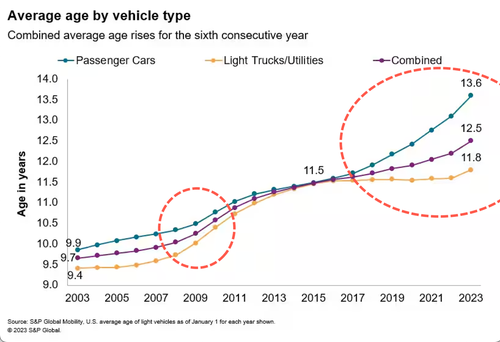
For the sixth consecutive year, the average age of vehicles in the US has risen, indicating that Americans are holding onto their cars for longer than ever before.
According to data collected by S&P Global Mobility, the average age of passenger vehicles on the road has reached a record high of 12.5 years. This trend, which began in 2017, has accelerated in a post-Covid world as new car prices soared due to shortages, and more recently, borrowing costs have skyrocketed, causing an affordability crisis. However, this trend might also suggest automobile manufacturers are producing higher-quality vehicles that break down less often.
“This is the sixth straight year of increase in the average vehicle age of the US fleet. It also reflects the highest yearly increase since the 2008-2009 recession, which caused an acceleration in average age beyond its traditional rate due to the sharp decline in new-vehicle sales demand,” S&P Global Mobility pointed out.
Todd Campau, associate director of aftermarket solutions for S&P Global Mobility, noted a confluence of factors from the pandemic supply chain snarls to soaring interest rates in 2022 “would provide further upward pressure on the average vehicle age.”
S&P Global Mobility forecasts new vehicle sales will be 14.5 million units in 2023, which is expected to slow the average age growth rate in the coming year.
“While pressure will remain on average age in 2023, we expect the curve to begin to flatten this year as we look toward returning to historical norms for new vehicle sales in 2024,” Campau said.
A plethora of used cars on roadways will benefit the vehicle service industry. An aging fleet means vehicles will require more repairs. Campau said:
“Traditionally, the ‘sweet spot’ for aftermarket repair was considered 6-11 years of age, but with average age at 12.5 years, the sweet spot for aftermarket repair is growing.
“There are almost 122 million vehicles in operation over 12 years old.”
As the Bloomberg chart shows below, only the auto parts business continues to register steadily higher top-line revenue.
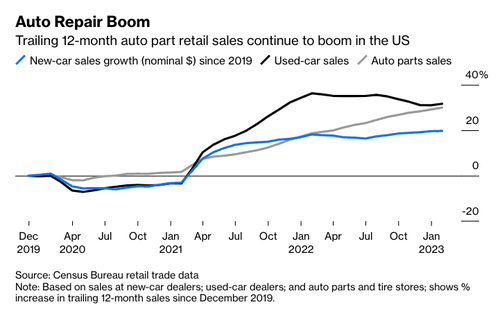
Wall Street has priced in the auto parts boom as shares of AutoZone Inc have gone parabolic.
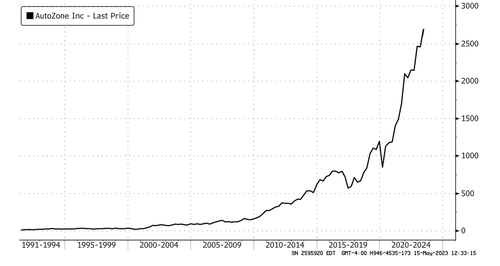
The auto parts industry is benefiting from America’s aging fleet of vehicles.
https://www.zerohedge.com/markets/average-age-american-cars-hits-record-high
May 10, 2023
Inflation Overview
Headline CPI Dips To 2-Year Low; Shelter Costs Roll Over
by Tyler Durden
Wednesday, May 10, 2023 – 08:39 AM
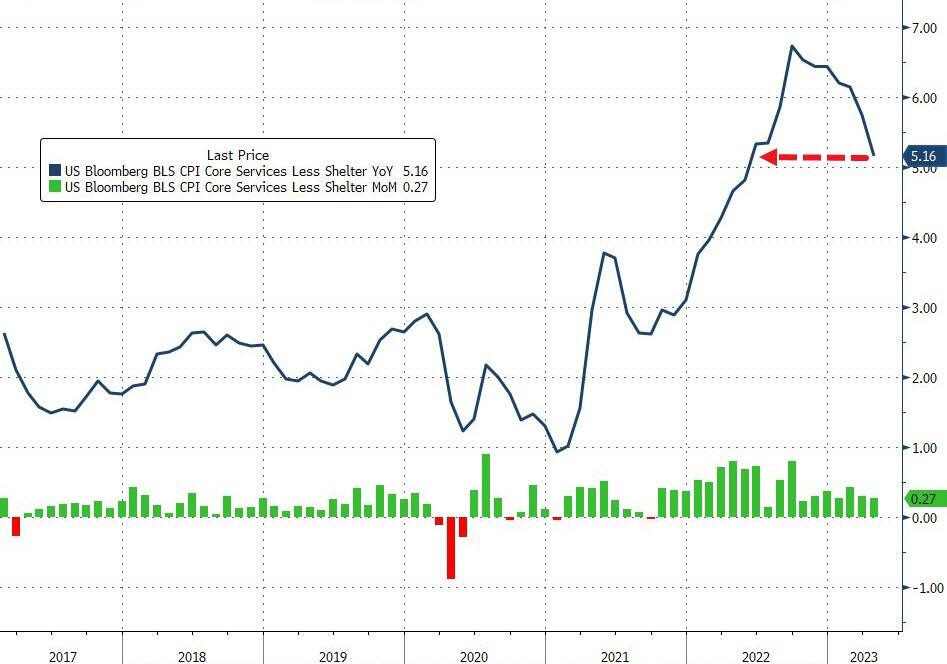
Another month, another inflation print to jawbone over. The Fed’s new favorite signal from The BLS is Core Services CPI Ex-Shelter, and this morning’s print is ‘good’ news with the YoY growth at the slowest since May 2022….
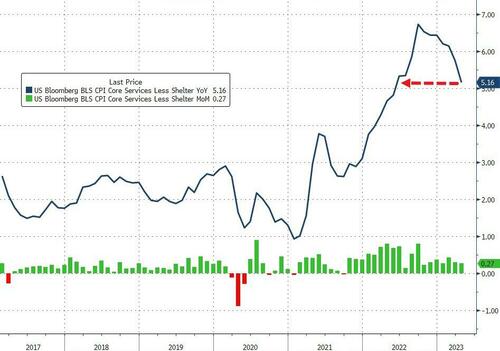
Source: Bloomberg
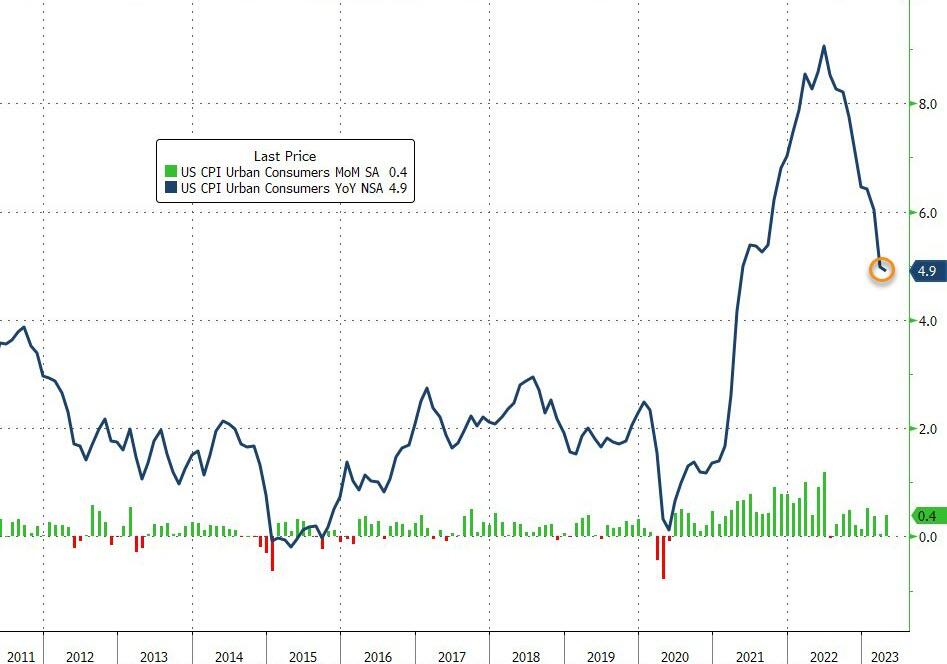
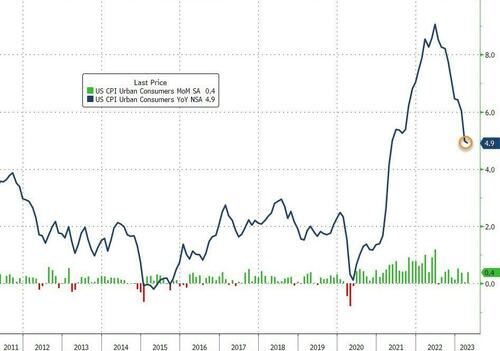
Headline CPI was expected to accelerate in April (+0.4% MoM exp), and met expectations with the drop in YoY CPI slowing dramatically (though the 4.9% print was slightly cooler than the 5.0% YoY exp)…
Source: Bloomberg
The all items index increased 4.9 percent for the 12 months ending April; this was the smallest 12-month increase since the period ending April 2021.
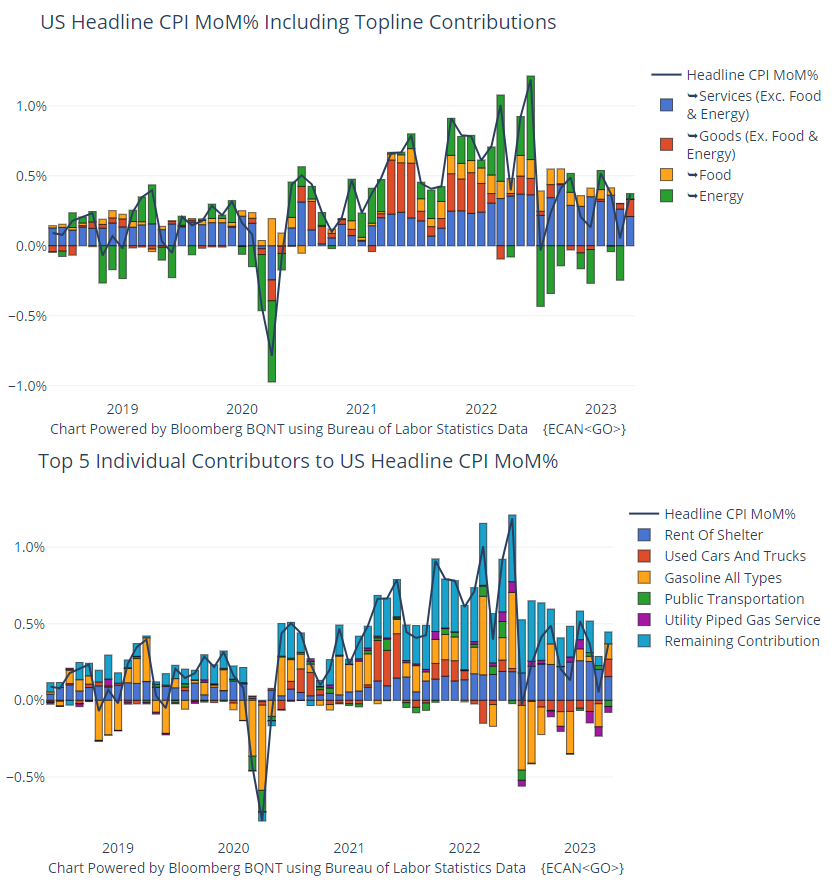
Energy (and Gasoline) was the main drivers to the downside while Shelter costs remain high…
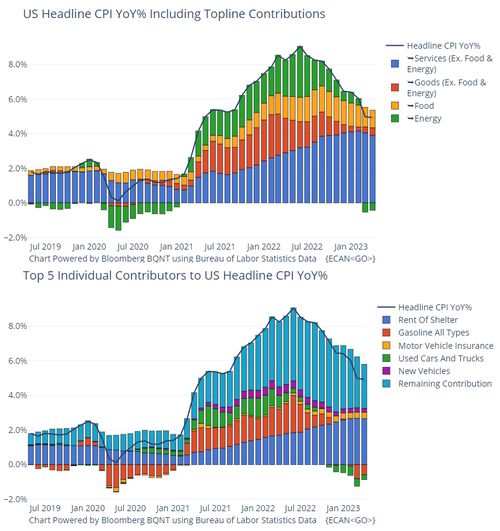
The headline print is below pretty much all the major f0orecast:
- 5.1% – Goldman Sachs
- 5.1% – Citigroup
- 5.1% – JP Morgan Chase
- 5.1% – Morgan Stanley
- 5.0% – Barclays
- 5.0% – Bank of America
- 5.0% – Credit Suisse
- 5.0% – Bloomberg Economics
- 5.0% – HSBC
- 5.0% – UBS
- 5.0% – Wells Fargo
Core CPI was also expected to rise by 0.4% MoM in April, and met that expectation with YoY up 5.2% – very sticky.
The energy index decreased 5.1 percent for the 12 months ending April, and the food index increased 7.7 percent over the last year.
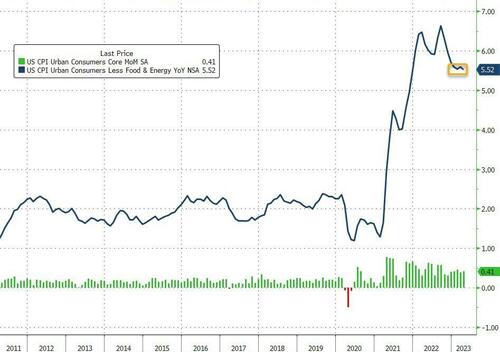
Source: Bloomberg
The index for all items less food and energy rose 0.4 percent in April, as it did in March.
- The shelter index increased 0.4 percent over the month after rising 0.6 percent in March.
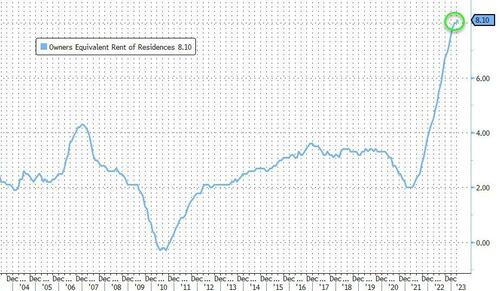
- The index for rent rose 0.6 percent in April, and the index for owners’ equivalent rent rose 0.5 percent over the month.
- The index for lodging away from home decreased 3.0 percent in April after rising in each of the previous four months.
The shelter index was the largest factor in the monthly increase in the index for all items less food and energy… as we noted last month, the shelter index has now topped out…
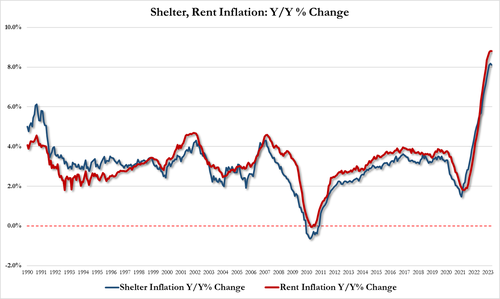
But, just to add some confusion to the pot, Owners Equivalent Rent rose 8.1% YoY – a new record high…
Among the other indexes that rose in April was the index for used cars and trucks, which increased 4.4 percent, and the index for motor vehicle insurance which increased 1.4 percent. The indexes for recreation, household furnishings and operations, personal care, apparel, and education also increased in April.
Several indexes declined in April, led by the airline fares index which fell 2.6 percent over the month after rising in February and March.
- The index for new vehicles declined 0.2 percent and the index for communication decreased 0.1 percent in April.
- The medical care index was unchanged in April, after falling 0.3 percent the previous month.
- The index for hospital services rose 0.5 percent over the month, after a 0.4-percent decline in March.
- The prescription drugs index increased 0.3 percent in April, while the physicians’ services index was unchanged.
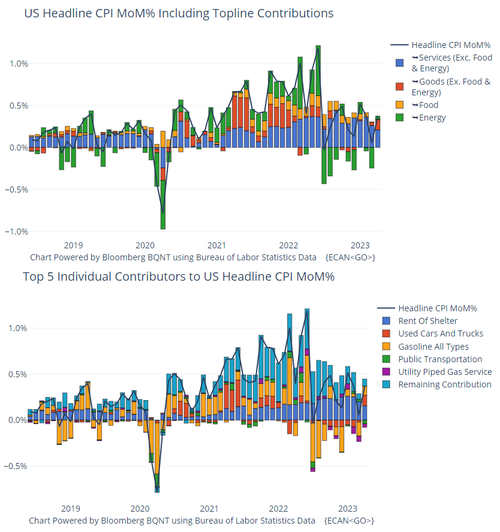
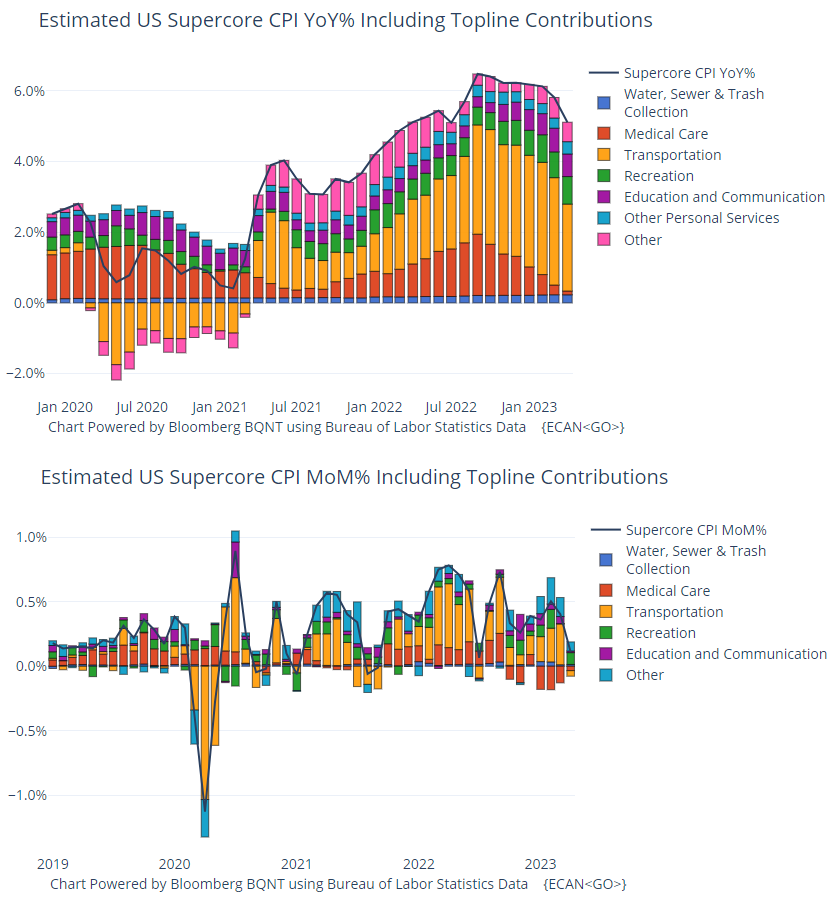
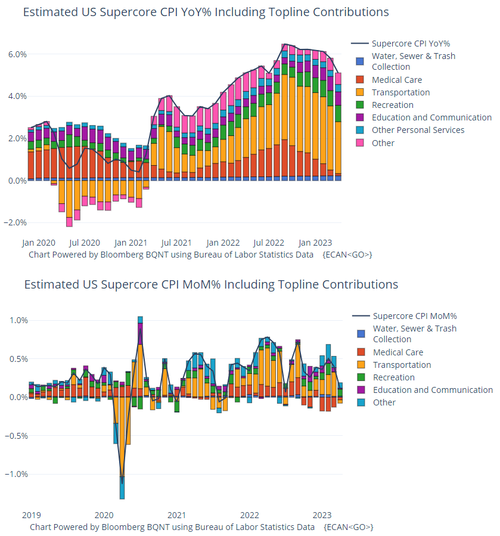
The so-called SuperCore inflation also slowed to 5.0% YoY with Transport and Medical Care costs dropping MoM…
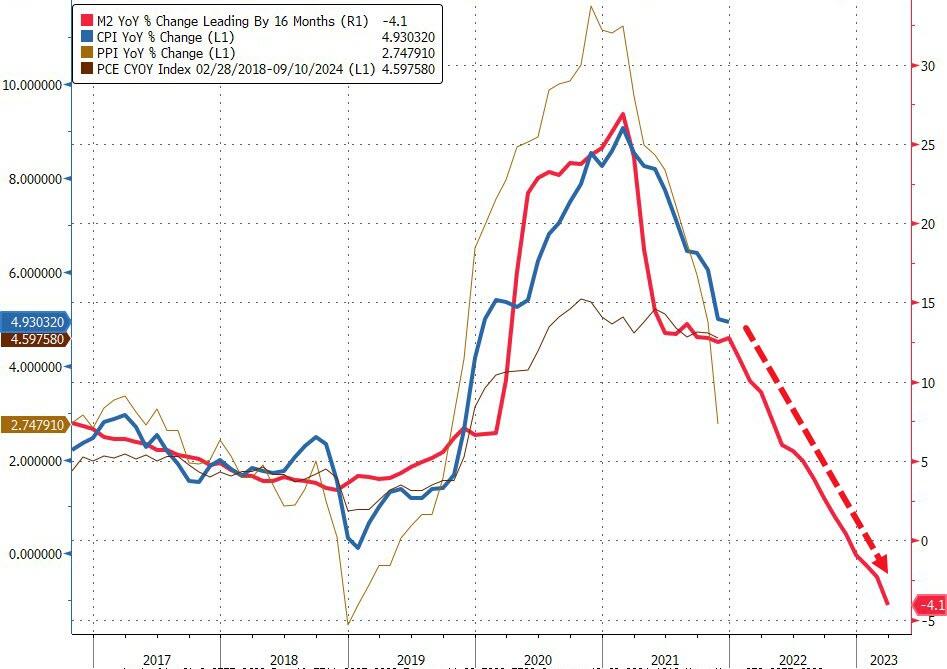
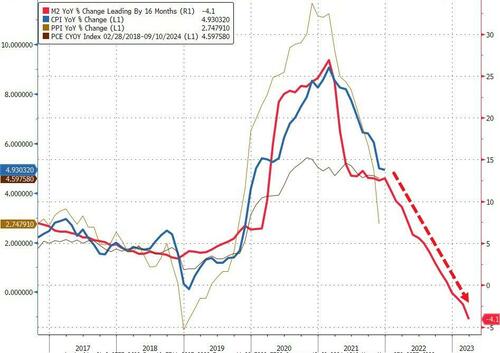
Is M2 signaling that the ‘stickiness’ is over and a tsunami of deflation is about to hit?
Source: Bloomberg
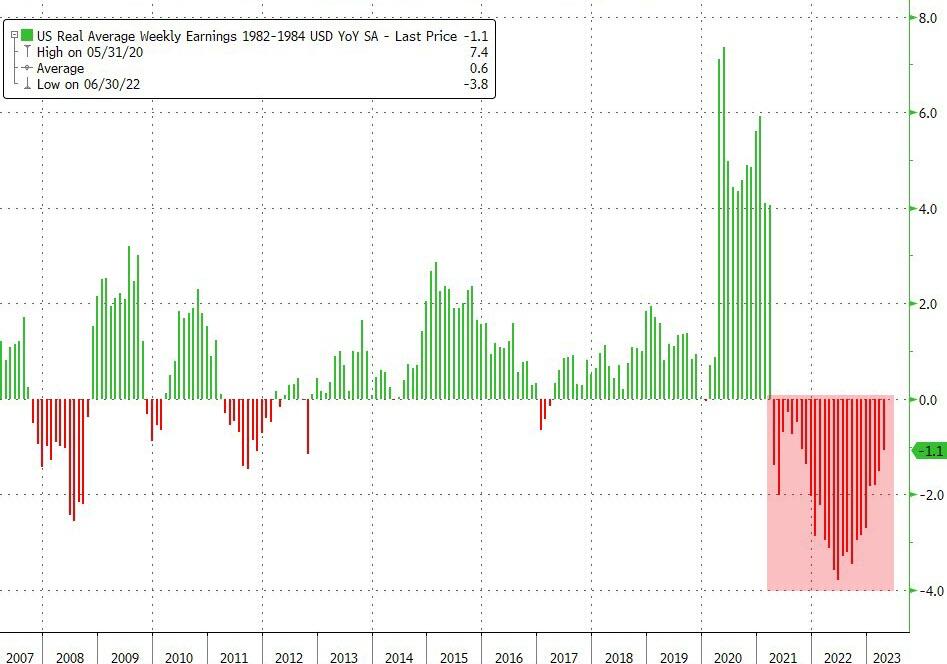
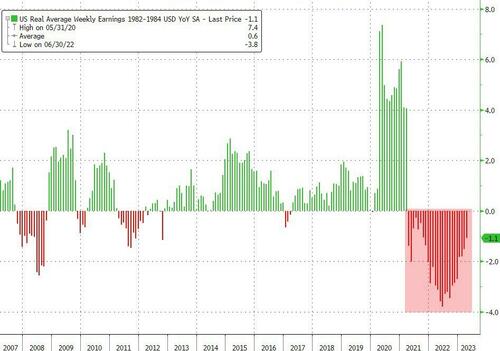
Finally, inflation continues to outpace Americans’ rising wages – for the 25th straight month…
Source: Bloomberg
May 8, 2023
Hydrogen Peroxide Accident Impacts HPPO Production in China
Impact of Explosion at Luxi Chemical’s Hydrogen Peroxide Plant
PUdaily | Updated: May 6, 2023
On May 1 at 12:20 pm, an explosion occurred at the hydrogen peroxide production area of Luxi Chemical, a subsidiary of Sinochem Holdings. The preliminary investigation found that when recovering the fluid, a large amount of 70% hydrogen peroxide had leaked into the kettle of the hydrogen peroxide device. The impurities in the kettle caused the hydrogen peroxide to decompose, causing overpressure explosions in the kettle that triggered explosions in the adjacent octanol storage tanks and pipeline leaks. Nine workers died, one was injured, and one is still missing.
The trigger for this accident was hydrogen peroxide, which is commonly used in medicine, sterilization, oxygen preparation, oxidants, bleaching agents, and dechlorinators. As a strong oxidiser, it is unstable and prone to decomposition. During decomposition, a large amount of heat is released. If metals, salts, and impurities are mixed in, the decomposition process may be intensified, leading to an explosion.
The HPPO process, which uses hydrogen peroxide as a raw material to directly oxidize propylene into propylene oxide (PO), is a new green technology, and the process patents are mainly held by companies such as Degussa, Uhde, Dow Chemical, and BASF. In China, Sinopec, Dalian Institute of Chemical Physics of the Chinese Academy of Sciences, and East China University of Science and Technology also have independent technologies. The process is relatively simple and does not produce too many byproducts, nor does it cause pollution to the surrounding environment. The produced propylene oxide is the only product allowed for export in China at present.
In the HPPO process, it’s key to ensure the quality of hydrogen peroxide. The most direct impact of the explosion at the hydrogen peroxide production area of Luxi Chemical is twofold:
First, the shutdown and transformation, which means that all devices that do not meet safety and environmental standards are immediately shut down, rectified, and closed within a certain time limit. The company’s current shutdown and associated devices involve hydrogen peroxide, caprolactam/nylon 6, and polyol units, and the resumption time is not decided yet.
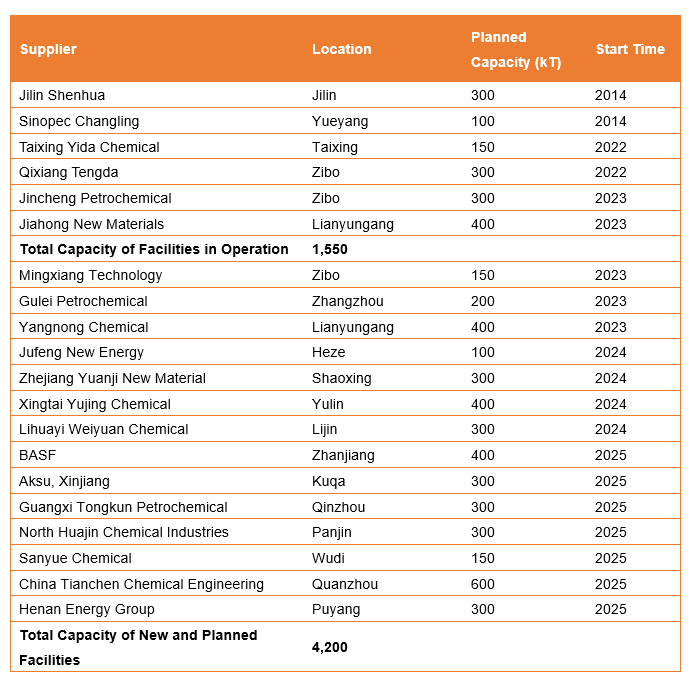
Second, the safety production supervision has been strengthened, and the entry threshold for HPPO process to produce propylene oxide has been raised. In China, the currently operating HPPO facilities include those at Jilin Shenhua and Sinopec Changling, which were put into operation in 2014, Taixing Yida Chemical and Qixiang Tengda, which were put into operation in 2022, and Jincheng Petrochemical and Jiahong New Materials, which were put into operation in 2023. China’s total annual capacity of propylene oxide is presently1.55 million tonnes, and the future new and planned projects will add an annual capacity of 4.2 million tonnes, according to PUdaily.
Moreover, the hydrogen peroxide explosion incident has to some extent delayed the restart of some HPPO process facilities, and the reduction in supply of propylene oxide is one of the reasons for the recent price increase. On May 5, the prevailing offers of propylene oxide in China have risen to CNY 10,000-10,100/tonne from CNY 9,600-9,700/tonne before the May Day holiday, and the uptrend will continue in the short term.
Future impacts include accelerating the relocation and transformation of hazardous chemical production companies in urban areas, increasing efforts to rectify, reduce, shift, and transform chemical companies outside of industrial parks.
April 21, 2023
PPI is Tumbling, As We Know in Chemicals
Good News on Inflation
Dan North | April 2023
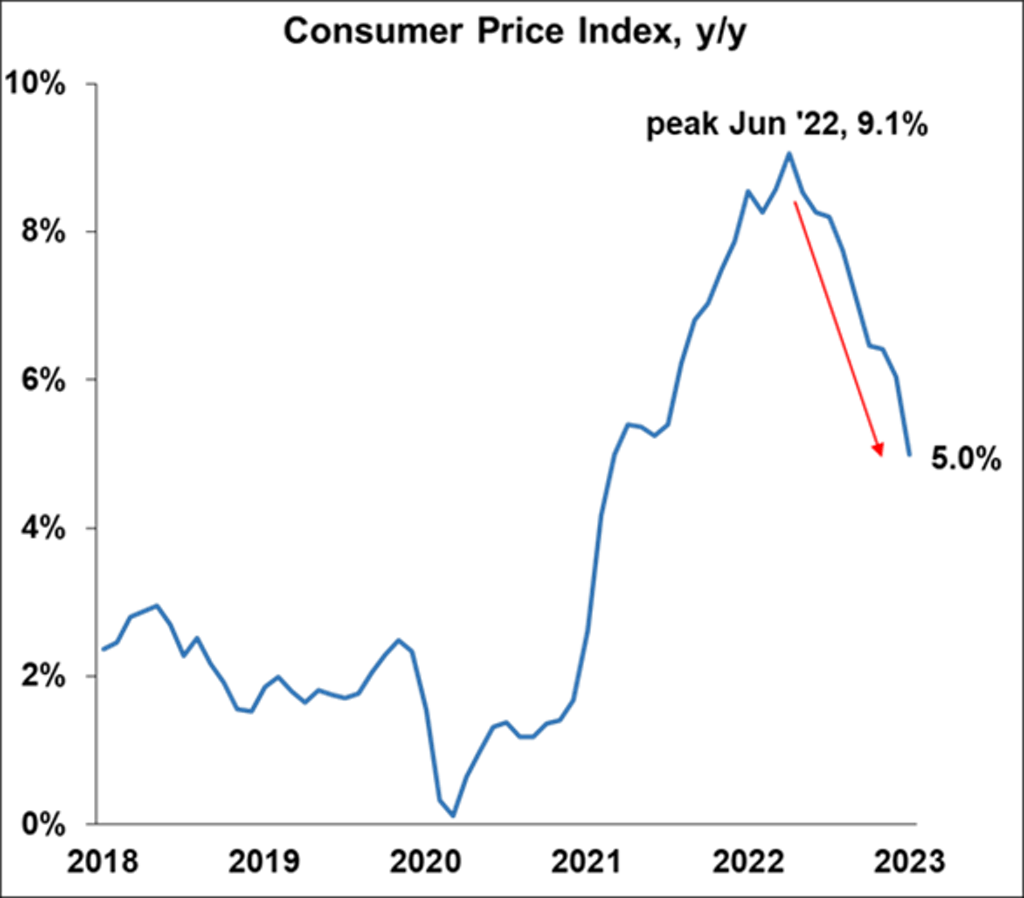
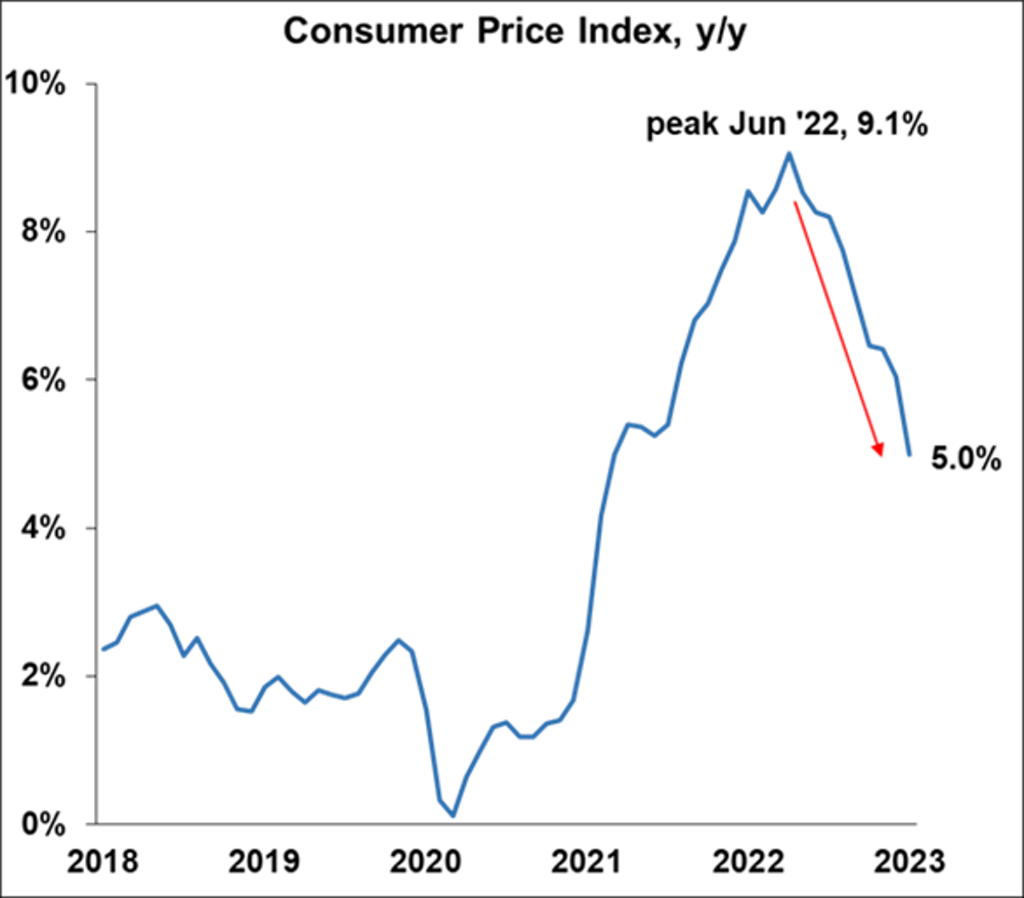
The Consumer Price Index (CPI) rose only 0.1% m/m in March, below expectations of 0.2%. Perhaps more importantly, the y/y rate fell a full 1% from 6.0% in February to 5.0% in March, the lowest since May of 2021. After stripping out volatile food and energy prices, the core rate rose 0.4% m/m putting the y/y rate at 5.6%. However, that’s just above last month’s 5.5% which was the lowest since the peak last September of 6.5%.
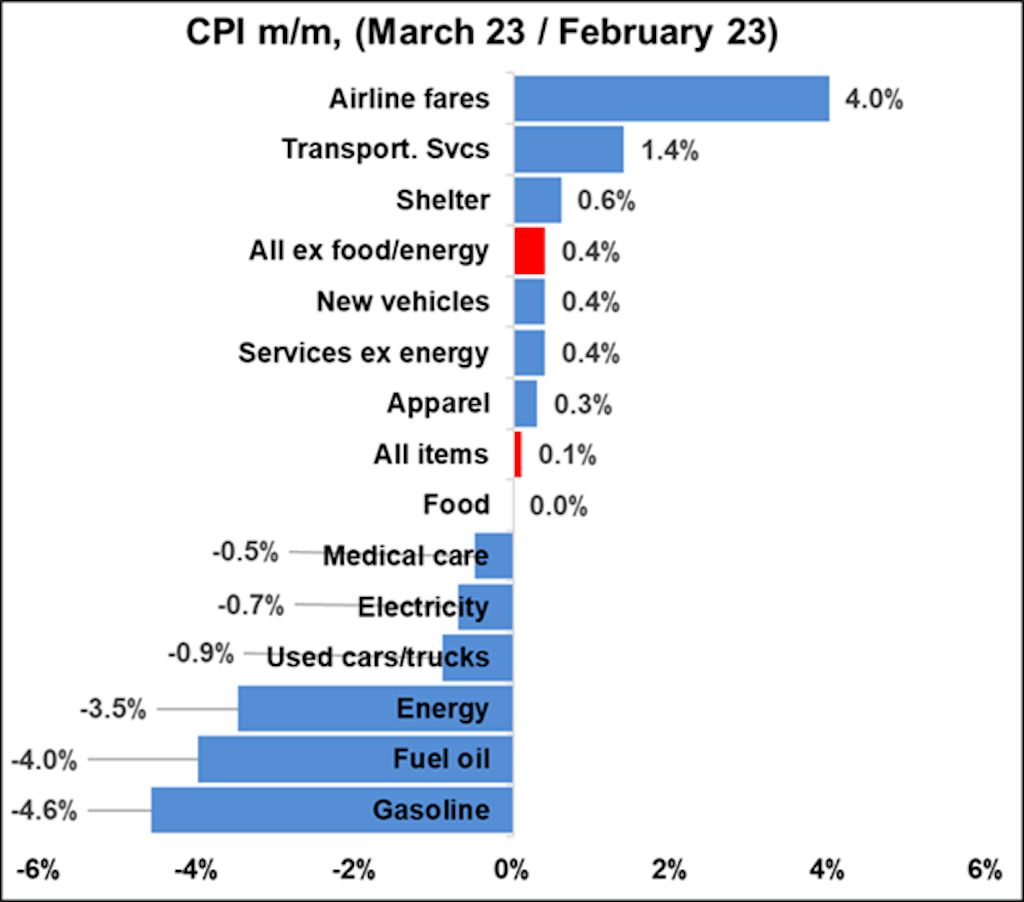
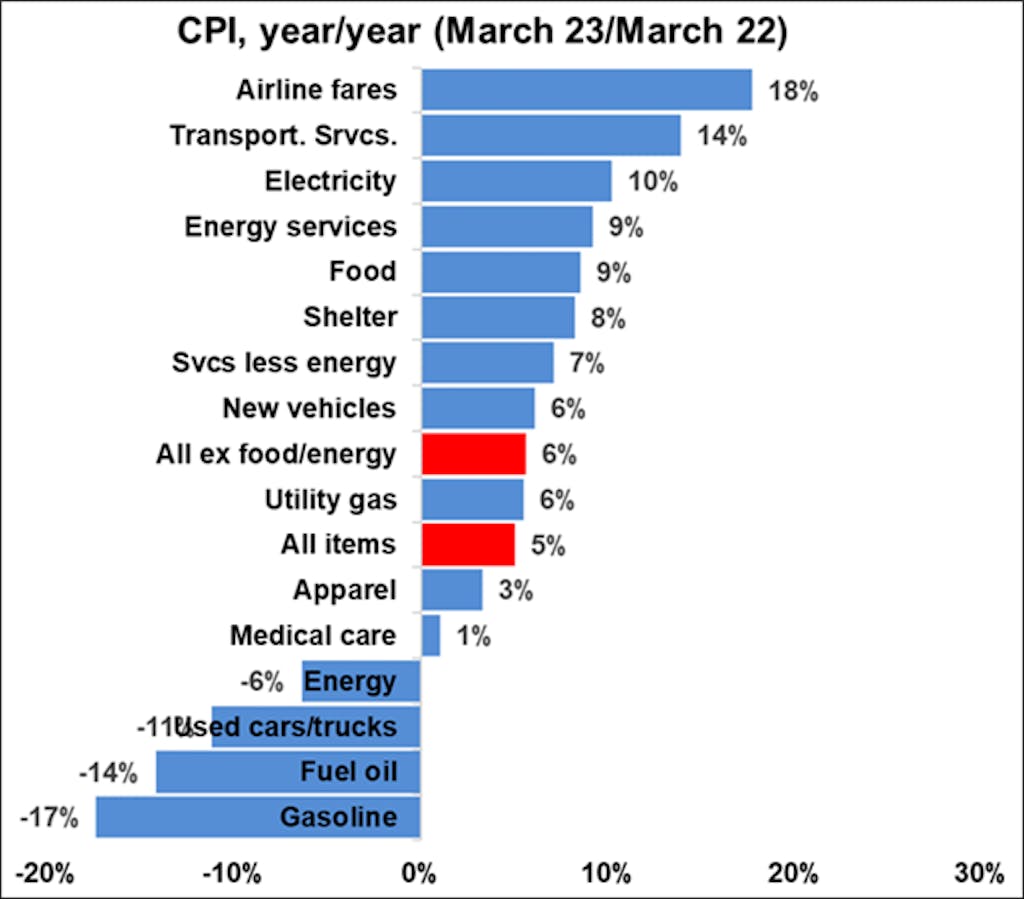
On a mm/m basis, gasoline fell the most, dropping -4.6%, while air fares rose a steep 4.0%. The y/y patterns were the same as gasoline fell -17% while airfares gained 18%.
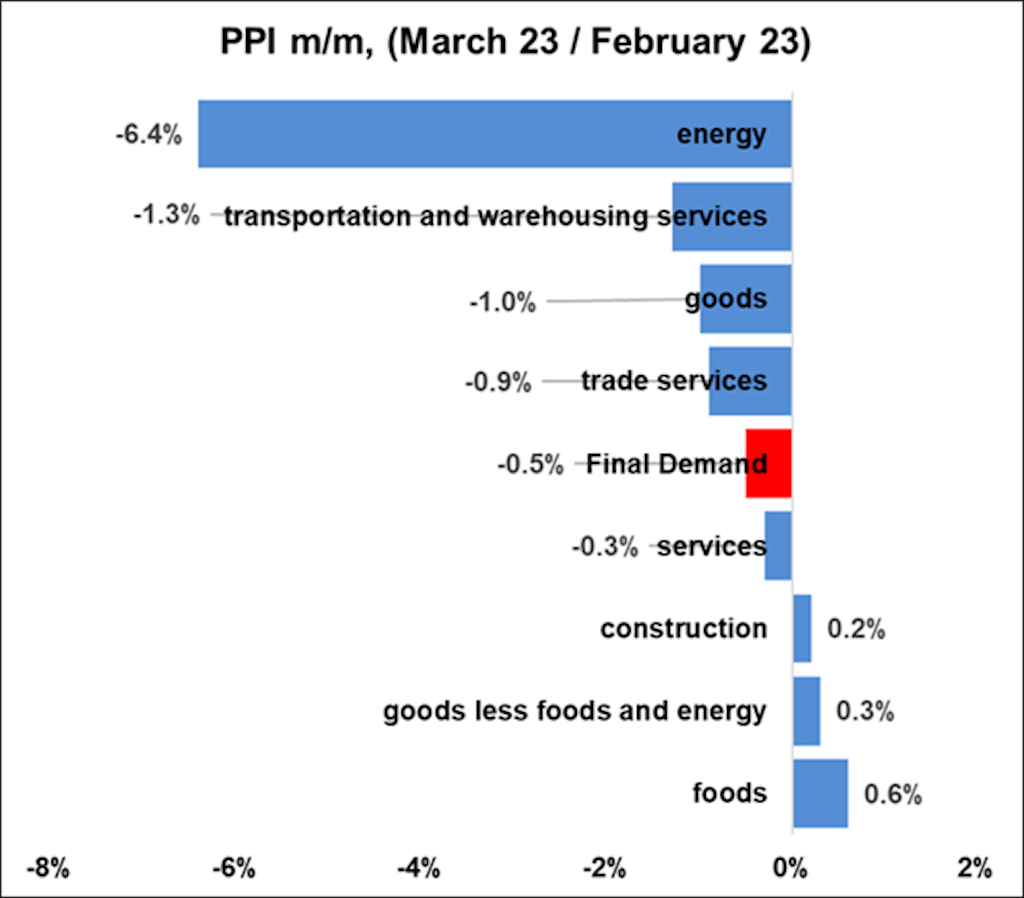
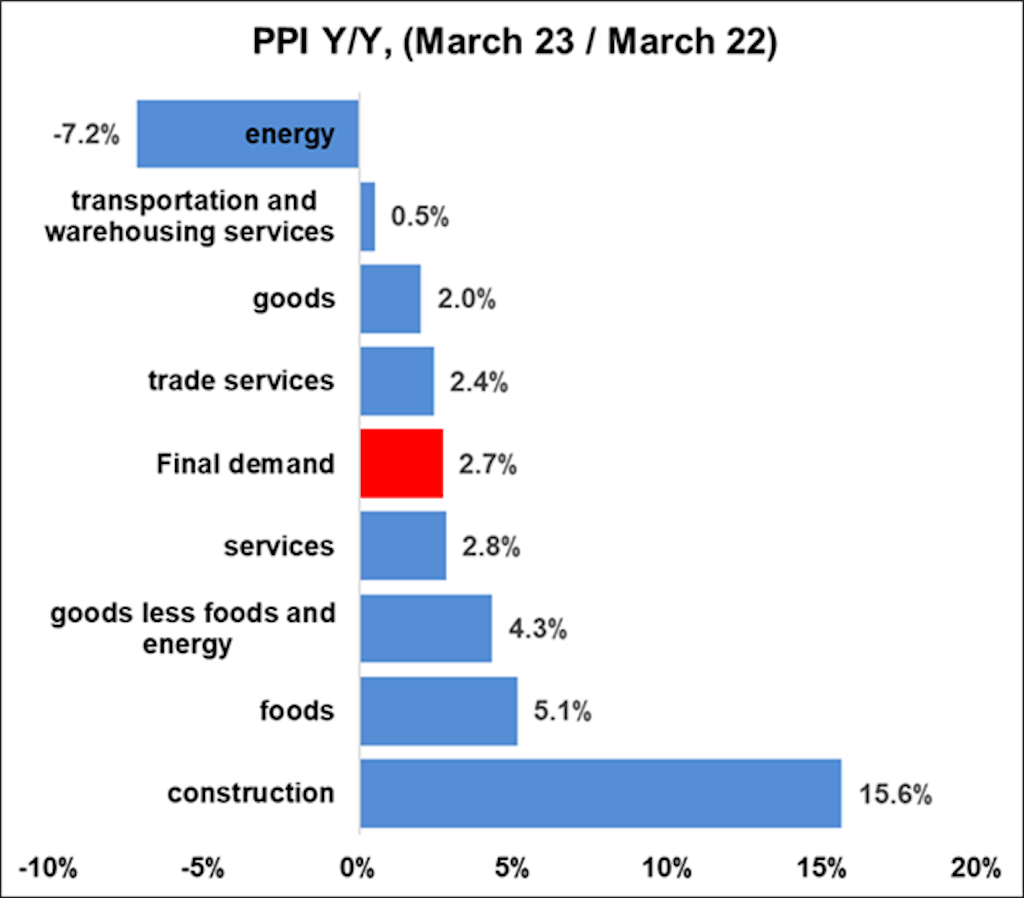
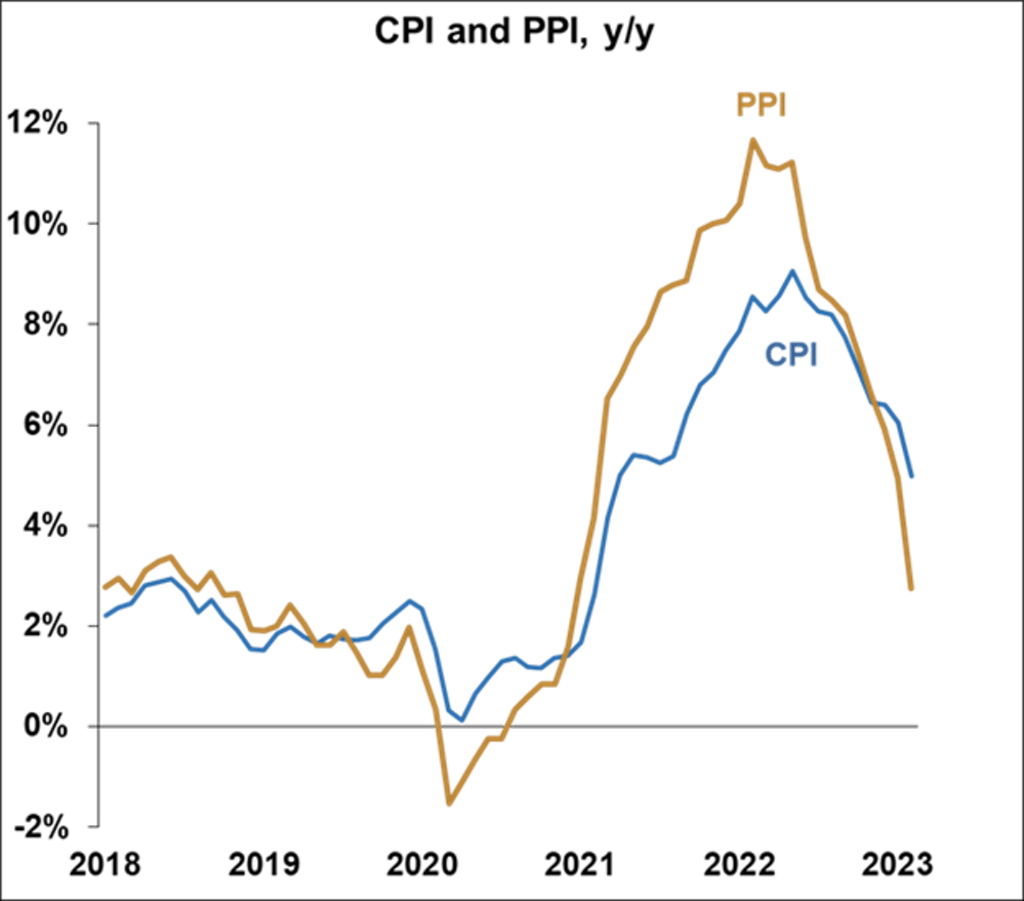
The Producer Price Index (PPI), which measures the prices that producers receive for their goods and services, delivered very happy news. On a m/m basis, PPI plummeted a dramatic -0.5%, blowing past expectations of 0.0%. It was the biggest decline since just after the pandemic started in April of 2020. The results on a y/y basis were even more startling, nosediving from 4.9% in February to 2.7% in March. That’s a breathtaking descent in one month. Furthermore, over the course of the past year, the PPI has fallen a gigantic 9% from 11.7% last March. Progress is being made.
The core rate (Final Demand Less Foods, Energy, and Trade Services) also delivered inspiration, as the y/y rate fell from 4.8% to 3.7% Looking at the individual industries on a m/m basis, prices in the energy industry fell -6.4%, driven by a huge -11.7% drop in gasoline prices. Energy also had the largest decline on a y/y basis at -7.2% while construction gained an outsized 15.6% over the year.
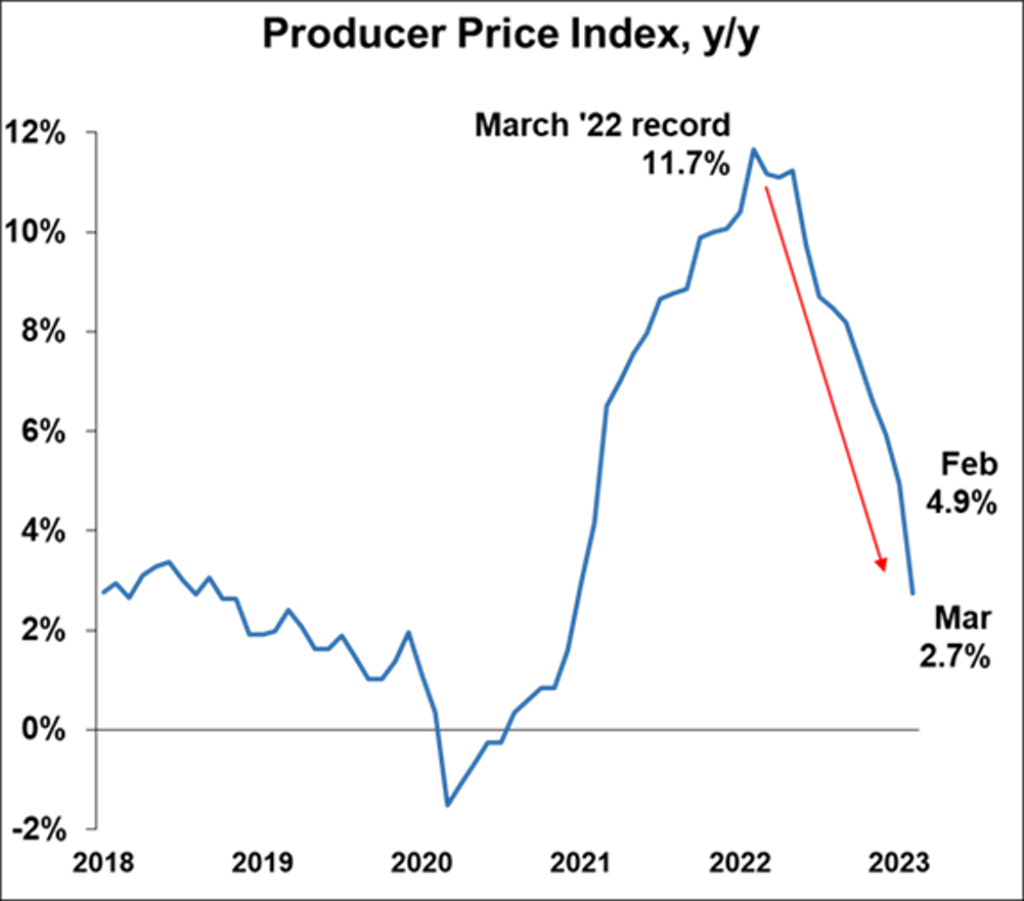
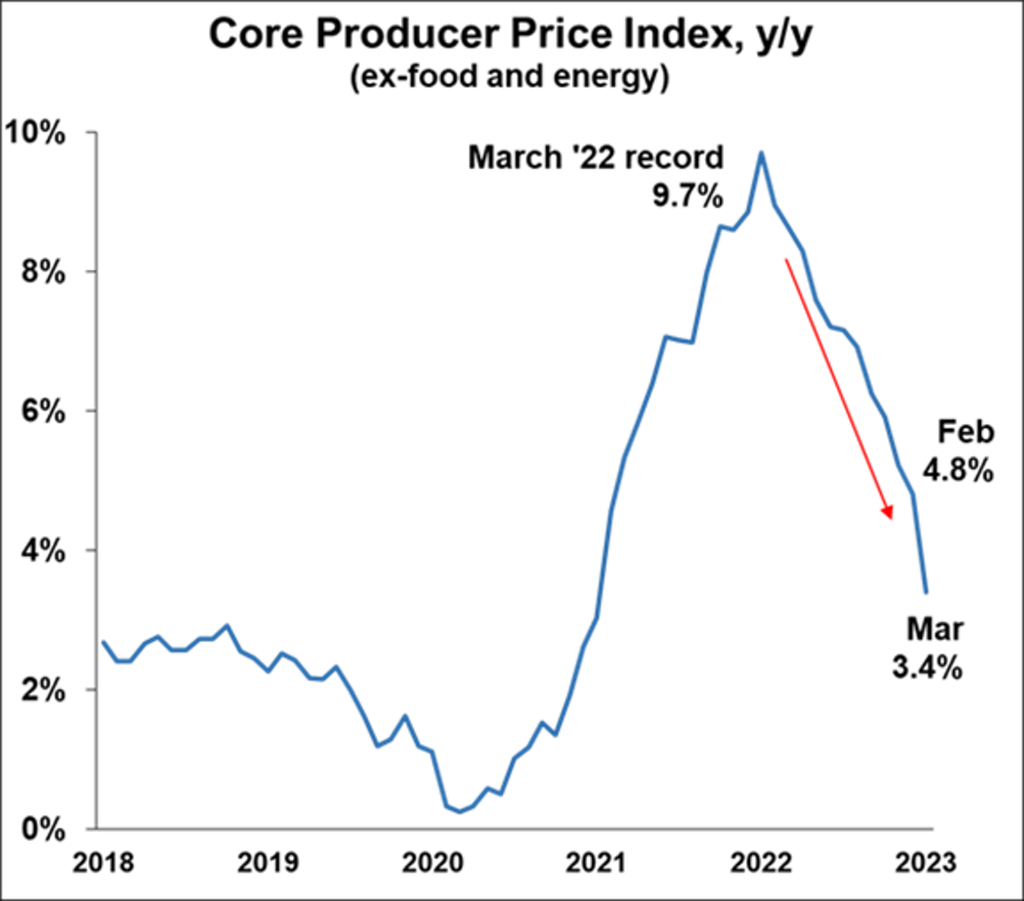
The sharp decline in the PPI y/y is significant because. As shown in the chart below the PPI tends to lead the CPI, suggesting that CPI is likely to continue falling as well.
https://www.allianz-trade.com/en_US/insights/good-news-on-inflation.html
 Everchem Updates Archive
 Sign Up for Email Updates