
Epoxy
June 21, 2021
Exclusive Negotiations
Indorama is in talks to buy Oxiteno
A purchase of the Brazilian specialty chemical firm would plunge the polyester producer deeper into surfactants
by Alexander H. Tullo
June 18, 2021
 Credit: Oxiteno Oxiteno’s new surfactants plant in Pasadena, Texas
The Thai chemical maker Indorama Ventures has entered exclusive negotiations with the Brazilian conglomerate Ultrapar Participações to buy Ultrapar’s specialty chemical business, Oxiteno.
The parties have yet to hammer out a purchase agreement. “Conditions of the transaction, including value, are still under consideration,” Ultra says.
Oxiteno is one of the linchpins of Brazil’s chemical industry. Among its key products are surfactants, solvents, glycols, ethanolamines, fatty alcohols, glycerin, and fatty acids. It earned $70 million in 2020 on $1.0 billion in sales. Its assets are valued at $1.7 billion.
In recent years, the company has been branching out of its home country. Its biggest such move came in 2018, when it started up a $150 million ethoxylation unit in Pasadena, Texas, on the site of a former vitamin E plant. Oxiteno claims to be the world’s second largest producer of ethoxylated chemicals, behind BASF.
Indorama has grown over the past 2 decades into a global giant in polyethylene terephthalate (PET) resins and fibers. Its sales last year were about $10 billion. And as it built its polyester business, the company became involved in surfactants as well, a direction it has embraced as a diversification maneuver.
In 2012, Indorama bought Old World Industries, a producer of ethylene glycol—a PET raw material—in Clear Lake, Texas. That plant also makes ethylene oxide, the raw material needed for ethoxylated surfactants. Indorama subsequently strengthened the business by buying and refurbishing an ethylene plant to back-integrate ethylene oxide production.
In January 2020, Indorama built on this foundation when it completed the purchase of Huntsman’s chemical intermediates and surfactants unit, a competitor to Oxiteno. That $2.1 billion deal gave Indorama plants in Chocolate Bayou, Dayton, and Port Neches, Texas, and in India and Australia.
https://cen.acs.org/business/mergers-&-acquisitions/Indorama-talks-buy-Oxiteno/99/web/2021/06
June 21, 2021
Exclusive Negotiations
Indorama is in talks to buy Oxiteno
A purchase of the Brazilian specialty chemical firm would plunge the polyester producer deeper into surfactants
by Alexander H. Tullo
June 18, 2021
Credit: Oxiteno Oxiteno’s new surfactants plant in Pasadena, Texas
The Thai chemical maker Indorama Ventures has entered exclusive negotiations with the Brazilian conglomerate Ultrapar Participações to buy Ultrapar’s specialty chemical business, Oxiteno.
The parties have yet to hammer out a purchase agreement. “Conditions of the transaction, including value, are still under consideration,” Ultra says.
Oxiteno is one of the linchpins of Brazil’s chemical industry. Among its key products are surfactants, solvents, glycols, ethanolamines, fatty alcohols, glycerin, and fatty acids. It earned $70 million in 2020 on $1.0 billion in sales. Its assets are valued at $1.7 billion.
In recent years, the company has been branching out of its home country. Its biggest such move came in 2018, when it started up a $150 million ethoxylation unit in Pasadena, Texas, on the site of a former vitamin E plant. Oxiteno claims to be the world’s second largest producer of ethoxylated chemicals, behind BASF.
Indorama has grown over the past 2 decades into a global giant in polyethylene terephthalate (PET) resins and fibers. Its sales last year were about $10 billion. And as it built its polyester business, the company became involved in surfactants as well, a direction it has embraced as a diversification maneuver.
In 2012, Indorama bought Old World Industries, a producer of ethylene glycol—a PET raw material—in Clear Lake, Texas. That plant also makes ethylene oxide, the raw material needed for ethoxylated surfactants. Indorama subsequently strengthened the business by buying and refurbishing an ethylene plant to back-integrate ethylene oxide production.
In January 2020, Indorama built on this foundation when it completed the purchase of Huntsman’s chemical intermediates and surfactants unit, a competitor to Oxiteno. That $2.1 billion deal gave Indorama plants in Chocolate Bayou, Dayton, and Port Neches, Texas, and in India and Australia.
https://cen.acs.org/business/mergers-&-acquisitions/Indorama-talks-buy-Oxiteno/99/web/2021/06
June 21, 2021
Ransomware Protection
Why you should never open unknown emails: Fighting ransomware attackers
Users — human beings — are the weakest link in even the ‘safest’ network
Published: June 20, 2021 19:30 Jay Hilotin, Senior Assistant Editor

Highlights
- Why ransomware attacks are spiking amid the COVID-19 pandemic.
- Know the top tips to avoid falling victim to darkweb attacks
- Know the dos and don’t of safe email practices.
Dubai: You think your network is “bomb-proof”? Or your organisation’s digital assets are “safe”? Think again. No matter how airtight you think work or organisation’s network is, there’s always a way in for the most persistent intruders. From the hackers’ point of view, we — the end users — are the best route of an hack. And this time, those who work from home are prized targets.
What’s the link between ransomware and pandemic?
Make no mistake: We are still in the midst of a health pandemic. And we’re also still in the midst of a digital pandemic of ransomware attacks. These are organised, deliberate attacks on increasingly significant targets. There are signs people and businesses are facing a chronic failure in finding ways to keep them at bay.
Why are ransomware attacks on the rise?
Ransomware attacks have spiked during the COVID-19 pandemic, say IT security professionals. “There’s one simple reason: More people are working away from the office, where security controls are comparatively weak,” said Anoop Kumar Pauval, Information Security Manager at Gulf News’ IT Department.
“At home, connected to work via remote data access, end-users tend to be less protected, and are more vulnerable,” Pauval added. He cited example, Check Point Research’s (CPR) latest report (published in May) found a 102% increase in ransomware attacks this 2021 compared to the beginning of 2020. “There are no signs of the attacks slowing down.”
What’s the usual route of a ransomware attack?
Most ransomware attacks exploit the vulnerabilities of employees to get through to organisation’s network. Most hacks are done this way, called “social engineering” attacks.
How do links pose a threat?
Emails are the most potent tools in the arsenal of cybercriminals. It comes int he form of a link or an attachment. If you open an unknown attachment or click a link in an email sent to you by a hacker, you’re roped in.
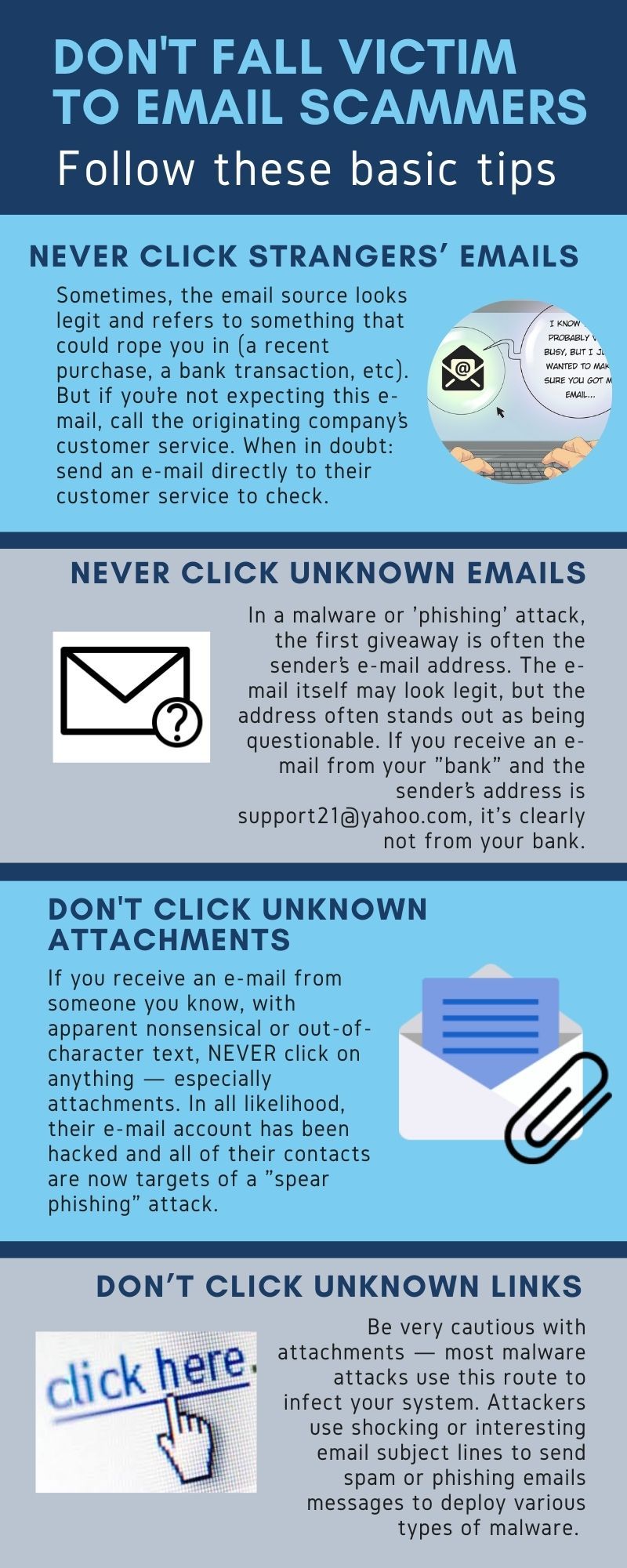
How can you tell the difference between legit email and hacker’s email?
There are email senders among people you know. They tend to be safer, but that’s not to say you shouldn’t exercise caution (especially with forwards). Some spams are obvious, but others are very smartly designed get past past the filters. They’re done by deception masters designed to dupe recipients. “Phishing” email is No. 1 way hackers get around firewalls, filters and antivirus.
Should I always trust emails from a friend or colleague?
No, even if it’s from a friend or colleague, take a pause before clicking anything further. Check the contents of the message they send along with it: Does it sound like it’s from them? A smarter way to avoid malware or phishing is to call the sender or speak in person, if possible, to confirm they sent the email. If you can’t be sure of its authenticity, simply delete.
Top 5 biggest ransomeware payouts:
 1. CWT Global ($4.5 million) | Date: July 2020 | The US travel services company CWT Global set a world record for the largest ever ransom payment, after it handed over $4.5 million in bitcoin to the Ragnar Locker ransomware gang. The attack is believed to have taken down 30,000 computers and compromised two terabytes of data. Financial records, security documentation and employees’ personal details, such as email addresses and salary data, were all affected. Image Credit: View gallery as list 1/5
Why are ransomware very disruptive?
The threat is real, as can be seen by recent examples. There’s often a financial motive involved. The demands are also real, too. But the damage to operations can destroy an institution or organisation’s reputation.
How much is the average ransomeware payment?
As we’ve seen, attacks capturing an organisation’s data and systems are on the rise. One study shows that since the start of the pandemic, ransomware attacks have gone up by almost 500%.
The average ransom payment has also continued to climb, up 43% from the last quarter of 2020 to an average of over $200,000, according to one report.
$200,000
the average ransomware payout during Q1 2021
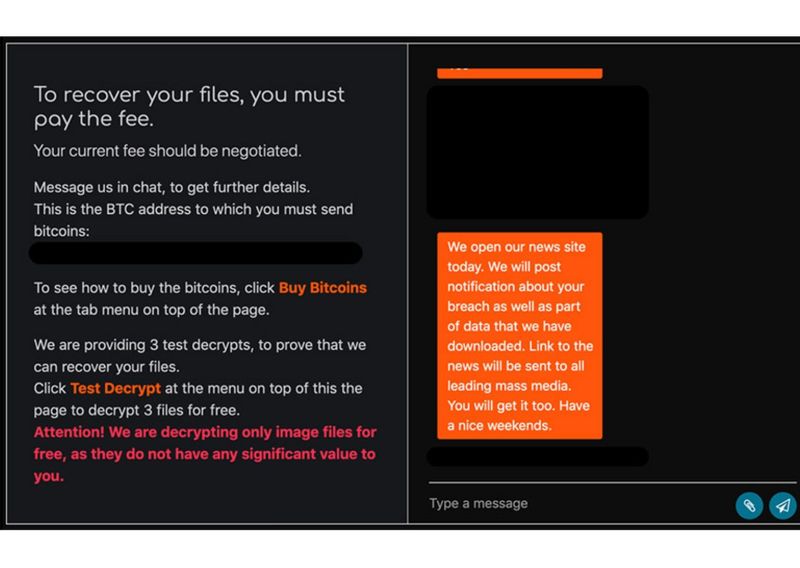
Worse, a ransom demand is often accompanied by a breach and extraction of company data — and a concurrent extortion threatening to release this data unless additional payments are made.
News about attacks against the CNA Financial and Colonial Pipelines are recent publicly-known examples of hacking events. There’s a much bigger section involving unknown pay-offs for which the victims never publicly declare the hack.
Who are the perpetrators?
They are evolving, from the stand-alone hackers to what are now known as “criminal collectives”, including the DarkSide, which behave like state-sponsored attackers. These collectives have created virtual organisations, sharpening their techniques in targeting specific sectors and companies. They patiently wait for the kills.
How big is the ‘cybercrime’ threat?
What’s the away around scams, spams and ransomware attacks.
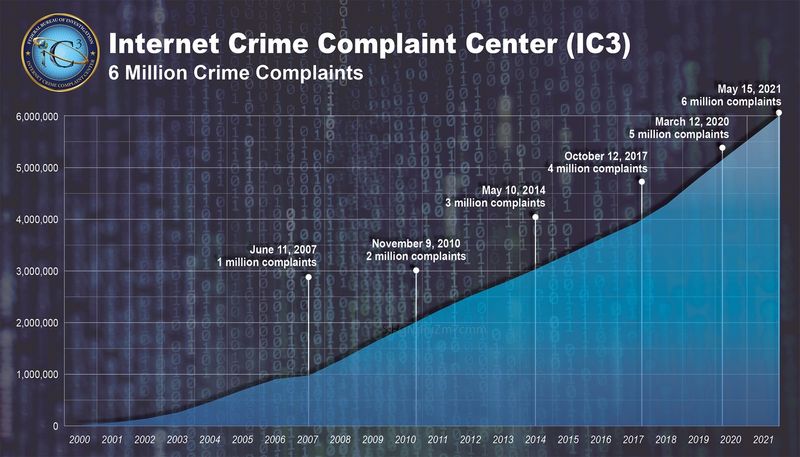
It’s the dark underbelly of the online world. Cybercrime is a growing, highly successful and profitable “industry”. It is estimated that cybercrime costs will grow by 15% per year to reach $10.5 trillion by 2025. If it’s a country, it would be the world’s third-biggest “economy” — after those of the US States and China.
What’s the way around ransomware attacks?
Image when governments, health-care providers, online merchants like Amazon/ebay/Alibaba or other large organisations become beholden to cybercriminals? There’s certainly a way around the current state of affairs.
Intranets — closed, proprietary networks — might hold the key, say experts. As the internet evolves, a new trend emerges, with two distinct sides.
- Free-for-all internet:
This is the free-for-all, unfiltered, minimally regulated, “Wild West” type of internet anyone can access. This is the playground of the rising ranks of cybercriminals and everybody else, including you and me.
- Intranet
The second is “World Wide Intranet” — widely accessible but tightly controlled websites with stringent access controls to prevent criminal activity. Years ago, closed corporate intranets have gained popularity. This second type is rapidly evolving.
As such, as security measures and conditional access via multi-factor authentification will become a standard.
The internet needs a semblance of control — the price of not having them is immeasurably greater than the damage of any “restrictions”. It’s an inevitable outcome of the security threats mushrooming around us, compromising not only networks but individual the end users that use them.
June 21, 2021
Ransomware Protection
Why you should never open unknown emails: Fighting ransomware attackers
Users — human beings — are the weakest link in even the ‘safest’ network
Published: June 20, 2021 19:30 Jay Hilotin, Senior Assistant Editor
Highlights
- Why ransomware attacks are spiking amid the COVID-19 pandemic.
- Know the top tips to avoid falling victim to darkweb attacks
- Know the dos and don’t of safe email practices.
Dubai: You think your network is “bomb-proof”? Or your organisation’s digital assets are “safe”? Think again. No matter how airtight you think work or organisation’s network is, there’s always a way in for the most persistent intruders. From the hackers’ point of view, we — the end users — are the best route of an hack. And this time, those who work from home are prized targets.
What’s the link between ransomware and pandemic?
Make no mistake: We are still in the midst of a health pandemic. And we’re also still in the midst of a digital pandemic of ransomware attacks. These are organised, deliberate attacks on increasingly significant targets. There are signs people and businesses are facing a chronic failure in finding ways to keep them at bay.
Why are ransomware attacks on the rise?
Ransomware attacks have spiked during the COVID-19 pandemic, say IT security professionals. “There’s one simple reason: More people are working away from the office, where security controls are comparatively weak,” said Anoop Kumar Pauval, Information Security Manager at Gulf News’ IT Department.
“At home, connected to work via remote data access, end-users tend to be less protected, and are more vulnerable,” Pauval added. He cited example, Check Point Research’s (CPR) latest report (published in May) found a 102% increase in ransomware attacks this 2021 compared to the beginning of 2020. “There are no signs of the attacks slowing down.”
What’s the usual route of a ransomware attack?
Most ransomware attacks exploit the vulnerabilities of employees to get through to organisation’s network. Most hacks are done this way, called “social engineering” attacks.
How do links pose a threat?
Emails are the most potent tools in the arsenal of cybercriminals. It comes int he form of a link or an attachment. If you open an unknown attachment or click a link in an email sent to you by a hacker, you’re roped in.
How can you tell the difference between legit email and hacker’s email?
There are email senders among people you know. They tend to be safer, but that’s not to say you shouldn’t exercise caution (especially with forwards). Some spams are obvious, but others are very smartly designed get past past the filters. They’re done by deception masters designed to dupe recipients. “Phishing” email is No. 1 way hackers get around firewalls, filters and antivirus.
Should I always trust emails from a friend or colleague?
No, even if it’s from a friend or colleague, take a pause before clicking anything further. Check the contents of the message they send along with it: Does it sound like it’s from them? A smarter way to avoid malware or phishing is to call the sender or speak in person, if possible, to confirm they sent the email. If you can’t be sure of its authenticity, simply delete.
Top 5 biggest ransomeware payouts:
1. CWT Global ($4.5 million) | Date: July 2020 | The US travel services company CWT Global set a world record for the largest ever ransom payment, after it handed over $4.5 million in bitcoin to the Ragnar Locker ransomware gang. The attack is believed to have taken down 30,000 computers and compromised two terabytes of data. Financial records, security documentation and employees’ personal details, such as email addresses and salary data, were all affected. Image Credit: View gallery as list 1/5
Why are ransomware very disruptive?
The threat is real, as can be seen by recent examples. There’s often a financial motive involved. The demands are also real, too. But the damage to operations can destroy an institution or organisation’s reputation.
How much is the average ransomeware payment?
As we’ve seen, attacks capturing an organisation’s data and systems are on the rise. One study shows that since the start of the pandemic, ransomware attacks have gone up by almost 500%.
The average ransom payment has also continued to climb, up 43% from the last quarter of 2020 to an average of over $200,000, according to one report.
$200,000
the average ransomware payout during Q1 2021
Worse, a ransom demand is often accompanied by a breach and extraction of company data — and a concurrent extortion threatening to release this data unless additional payments are made.
News about attacks against the CNA Financial and Colonial Pipelines are recent publicly-known examples of hacking events. There’s a much bigger section involving unknown pay-offs for which the victims never publicly declare the hack.
Who are the perpetrators?
They are evolving, from the stand-alone hackers to what are now known as “criminal collectives”, including the DarkSide, which behave like state-sponsored attackers. These collectives have created virtual organisations, sharpening their techniques in targeting specific sectors and companies. They patiently wait for the kills.
How big is the ‘cybercrime’ threat?
What’s the away around scams, spams and ransomware attacks.
It’s the dark underbelly of the online world. Cybercrime is a growing, highly successful and profitable “industry”. It is estimated that cybercrime costs will grow by 15% per year to reach $10.5 trillion by 2025. If it’s a country, it would be the world’s third-biggest “economy” — after those of the US States and China.
What’s the way around ransomware attacks?
Image when governments, health-care providers, online merchants like Amazon/ebay/Alibaba or other large organisations become beholden to cybercriminals? There’s certainly a way around the current state of affairs.
Intranets — closed, proprietary networks — might hold the key, say experts. As the internet evolves, a new trend emerges, with two distinct sides.
- Free-for-all internet:
This is the free-for-all, unfiltered, minimally regulated, “Wild West” type of internet anyone can access. This is the playground of the rising ranks of cybercriminals and everybody else, including you and me.
- Intranet
The second is “World Wide Intranet” — widely accessible but tightly controlled websites with stringent access controls to prevent criminal activity. Years ago, closed corporate intranets have gained popularity. This second type is rapidly evolving.
As such, as security measures and conditional access via multi-factor authentification will become a standard.
The internet needs a semblance of control — the price of not having them is immeasurably greater than the damage of any “restrictions”. It’s an inevitable outcome of the security threats mushrooming around us, compromising not only networks but individual the end users that use them.
June 16, 2021
Wind Turbine Recycling in Europe
Wind Industry Calls for Ban on Old Turbine Blades in Landfills
Will Mathis Bookmark
une 16 2021, 8:14 PM (Bloomberg) —
Europe’s wind-power industry is calling for an end to one of the dirtiest parts of its business. Countries across Europe should ban old turbine blades from going into landfills by the middle of the decade, industry group Wind Europe said Wednesday.
While wind power is helping to cut emissions, the turbines can become a source of waste. Most parts of the structures — such as the steel towers and rotors — can be recycled, but not the blades, which comprise glass or carbon fibers and a sticky resin that can’t currently be broken down and reused. They tend to end up in landfills once a wind farm is decommissioned, usually after 20 to 25 years of use.
In Europe, about 25,000 tons of blades a year will be decommissioned by 2025, rising to 52,000 tons a year by 2030, the industry group said in a statement. The Cost of Clean Power: Landfills Full of Wind Turbine Blades Wind Europe called on the European Commission to ban decommissioned turbine blades from going to landfills by 2025, hoping to fuel efforts to redesign blades to make them recyclable. It also committed not to ship blades to landfills outside the European Union.
The region’s largest turbine maker, Vestas Wind Systems A/S, has come up with an epoxy that could dissolve and be processed back into the original chemical compounds, making blades recyclable. It’s working with epoxy maker Olin Corp. as well as the Danish Technological Institute and Aarh
Read more at: https://www.bloombergquint.com/business/wind-industry-calls-for-ban-on-old-turbine-blades-in-landfills
Copyright © BloombergQuint
 Everchem Updates Archive
  Sign Up for Email Updates