
The Urethane Blog
July 7, 2026
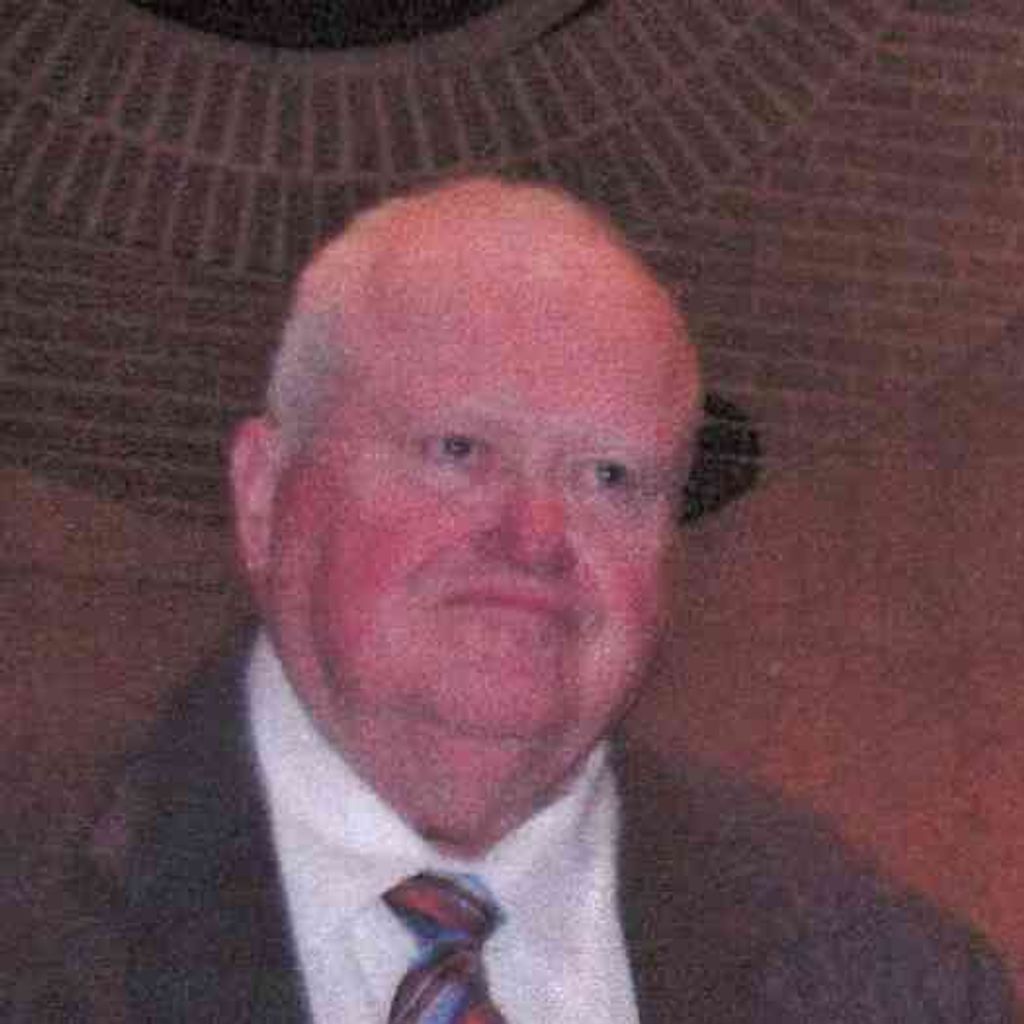
Robert C. Hire
1940 – 2026
Robert C. Hire, 85, of Dayville passed away with his wife by his side on Wednesday May 13, 2026, at Day Kimball Hospital in Putnam. He was born in Lowell, MA on July 5, 1940, son of the late Charles and Mary (Mullin) Hire. Robert was the husband of Elaine T. (Lemire) Hire. He was a US Air Force Veteran. Bob went on to earn an Associate’s Degree from Lowell Technical Institute and worked his entire career as a chemist. He worked at various companies including Pervel Industries, Olin, Arch, and lastly at Monument Chemical as Director of Chemical Applications.
In community service, he was a member of the Williamsville Fire Department in Rogers, CT for over 50 years and served as president to the present time. Bob was elected to the Killingly town council and was elected as chairman in 1975. Active in the Killingly-Brooklyn Midgets Association, he coached the Jets team. He was an avid fan of stock car racing, Uconn men’s and women’s basketball, the Boston Bruins, Red Sox, and New England Patriots. Bob was an avid reader and frequently donated books to the Killingly Public Library. He was a communicant of St. James Church in Danielson. While in Jacksonville, FL, he attended Blessed Trinity Catholic Church.
Besides his wife, Bob is survived by his son Thomas Hire and his wife Katie as well as his four grandchildren Lauren Hire, Zachary Hire and his fiancé Whitney Diel, Marissa Lejeune and her husband Ethan Lejeune, and Brookelyn Hire.
He was predeceased by his daughters Karen Marie Hire and Margaret Ann Hire.
A Memorial Mass of Christian Burial at St. James Church in Danielson will be held on Thursday June 4, 2026 at 11AM. Burial in East Chelmsford, MA will be private.
July 6, 2026
Covestro plans to invest in new world-scale MDI train in China and starts UAE feasibility study
June 30, 2026 3 min read
• World-scale MDI train at Covestro Integrated Site Shanghai in China with production start at the end of the decade
• UAE feasibility study for second new world-scale MDI train based on existing partnership with TA’ZIZ and Fertiglobe
• Both MDI production trains to achieve operational net-zero greenhouse gas emissions footprint
• Commitment to accompany customer demand with reliable long-term supply in the growing global MDI market
• Program supported by strategic XRG partnership

Covestro today announced a strategic MDI investment program to reinforce its global leadership position and strengthen long-term supply security for customers worldwide. The program includes preparations for a new MDI production train with 660 kilotonnes annual capacity at the Covestro Integrated Site Shanghai in China, with start-up targeted for the end of the decade. In addition, Covestro is conducting a feasibility study for a plant of similar scale in the United Arab Emirates. Both initiatives reflect Covestro’s long-term growth ambitions in the global MDI market. The projects are supported by XRG and highlight the benefits of its global chemicals platform – enabling integrated value chains and strengthening supply resilience across regions.
Meeting growing global MDI demand
“This investment program is a clear commitment to our customers and to our longterm growth in the MDI market,” said Dr. Markus Steilemann, Chief Executive Officer of Covestro. “We see strong and sustained demand, and at the same time increasing requirements for supply reliability. With these planned investments, we are strengthening our ability to serve our customers at scale while leveraging our technology and operational strengths. XRG’s long-term commitment provides the right foundation to execute these projects and enables us to leverage integrated value chains, strengthen supply resilience and compete at a global scale.” Long-term demand for MDI (methylene diphenyl diisocyanate), a key raw material for polyurethane rigid foams, is expected to grow globally, driven by multiple applications: building & construction (energy-efficient insulation), appliances (food chain efficiency and sustainability-driven modernization), and sports and lifestyle applications – particularly in Asia and the Middle East. At the same time, demand growth is projected to outpace capacity additions, increasing the importance of reliable, large-scale supply. Covestro is one of the world’s leading MDI producers with production sites in Europe, Asia, and North America.
China: Building on proven operational excellence
Covestro is preparing to expand its existing site in China with a new MDI production train. In addition to the main MDI unit, the investment includes upstream plants and supporting infrastructure to manufacture key intermediates on site, creating an integrated production setup. The facility will use the proprietary MDI AdiP technology, which significantly reduces energy consumption. Overall, the new MDI train is designed to operate with net-zero greenhouse gas emissions (Scope 1 & 2).
“Our Covestro Integrated Site Shanghai combines strong reliability with proven capabilities in delivering complex projects,” said Dr. Thorsten Dreier, Chief Technology Officer of Covestro. “The new MDI train will improve overall production efficiency and underlines our ambitions to reach operational climate neutrality. This is also achieved thanks to our proprietary AdiP technology, which has been successfully demonstrated at industrial scale in Germany.”
UAE: Exploring strategic ecosystem advantages
The feasibility study for a potential new MDI production facility in the United Arab Emirates will assess synergies within the emerging ecosystem in Al Ruwais Industrial City, building on the previously announced partnership with TA’ZIZ and Fertiglobe. A globally oriented facility of this scale would complement Covestro’s local-for-local production approach and strengthen supply security for customers across all regions.
The assessment will consider access to energy from renewable sources and the integrated industrial platform of the TA’ZIZ chemicals hub, including reliable local supply of key raw materials such as chlorine and ammonia. A potential investment would build on the project blueprint from Shanghai.
XRG brings strategic perspective to Covestro’s growth options Both initiatives reflect Covestro’s ambition to pursue long-term growth opportunities in the global MDI market with discipline and focusing on sustainable value creation. As Covestro’s strategic investor, XRG brings a long-term investment perspective and global platform view to this next phase.
“The planned expansion in China and the feasibility study in the UAE show how we are targeting opportunities to strengthen supply resilience, enhance competitiveness and support customers over the long term”, Steilemann added.
July 6, 2026
Covestro completes acquisition of former Vencorex sites in Thailand and the US
July 2, 2026 2 min read

• Covestro completes acquisition of two former Vencorex production sites for HDI derivatives in Rayong, Thailand, and Freeport, Texas, USA
• Additional capacities strengthen Covestro’s regional production network and improve supply resilience for coatings and adhesives customers
• Expanded footprint enhances reliable access to highperformance materials used in automotive, infrastructure, marine, wood furniture, electronics and other industrial applications
Leverkusen, Germany – On July 1, 2026, Covestro completed the acquisition of two former Vencorex production sites for HDI derivatives in Rayong, Thailand, and Freeport, Texas, USA.
With the acquisition, Covestro expands its production footprint for HDI derivatives and reaffirms its commitment in two important regions, while strengthening its ability to serve customers in the coatings and adhesives industry with greater flexibility and reliability.
HDI derivatives are essential building blocks for high-performance polyurethane coatings, adhesives and sealants. They are used in a broad range of applications, including automotive coatings, protective coatings for infrastructure, marine coatings, wood furniture, electronics and other demanding industrial applications.
“By adding these sites in Thailand and the US, we are strengthening our regional production capabilities and improving our ability to supply customers from locations close to them,” said Thomas Roemer, Head of the Business Entity Coatings and Adhesives at Covestro. “Reliable supply, regional availability and technical expertise are critical for our customers, especially in a challenging market environment. This acquisition helps us deliver even better on those needs.”
The two sites complement Covestro’s existing production network for HDI derivatives in major regions including Europe, Asia and North America. The additional capacities will further enhance Covestro’s ability to respond to customer demand and support long-term growth in high-performance and more sustainable coatings and adhesives applications.
“Strong customer relationships are built on trust, reliability and the ability to deliver value over time,” said Monique Buch, Chief Commercial Officer of Covestro. “This acquisition strengthens our position in a business where customers count on us for consistent quality, regional supply and application expertise.”
The acquisition follows Covestro’s earlier acquisition of the Resins & Functional Materials business from DSM and continued investments in organic growth, underlining the company’s commitment to the coatings and adhesives industry.
July 5, 2026
The 1930s were hot–dust bowl days!

July 2, 2026
FOMEX fire causes evacuations in Cuautitlán Izcalli
A fire at the FOMEX company mobilizes emergency forces in Cuautitlán Izcalli, generating evacuations and security measures to protect the community. Sunday, June 28, 2026 08:33 hrs.

Translated by AI
During the early hours of Sunday, a strong fire was recorded in the company FOMEX, located in the community of San Mateo Ixtacalco, Cuautitlán Izcalli, State of Mexico. The flames, visible from several kilometers, generated an intense mobilization of Firefighters and Civil Protection, who worked to quell the fire and prevent its spread to nearby properties.
Neighbors alerted authorities to the crash, which quickly spread, leading to the evacuation of several factories in the area. So far, the cause of the fire and if there are people injured is unknown. Civil Protection recommended that the population stay away from the affected area to prevent further risks.
In the coming hours, city and state authorities are expected to issue an official statement with detailed information about the incident and the security measures that will be implemented to ensure community protection.
 Everchem Updates Archive
  Sign Up for Email Updates